Sustainable Development Goals – SDGs
Khalel Dosmukhamedov Atyrau University is consistently forming a model of a modern university, at the center of which is the sustainable development of the region, the country, and the international academic space. The university's institutional policy integrates the principles of environmental responsibility, social justice, quality education, scientific innovation, and partnership, ensuring a systemic contribution to the formation of a sustainable future.
The university builds its educational and scientific activities taking into account the regional specifics of the Caspian region, combining fundamental training with applied research in the fields of ecology, petrochemistry, rational nature management, biodiversity, social inclusion, and human capital development. The educational process integrates disciplines on the green economy, waste management, food security, environmental protection, and sustainable consumption. Internal university policies are aimed at introducing environmentally responsible practices, developing student self-governance, supporting gender equality, and fostering an anti-corruption culture.
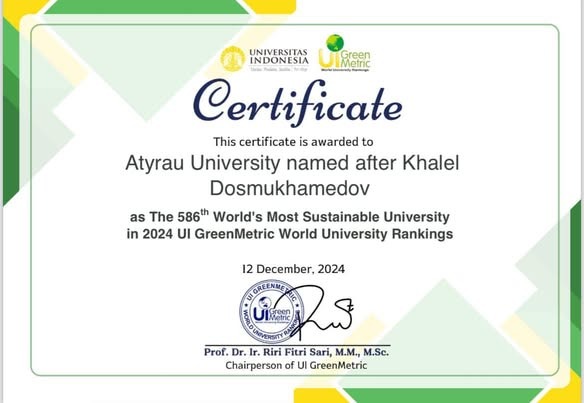
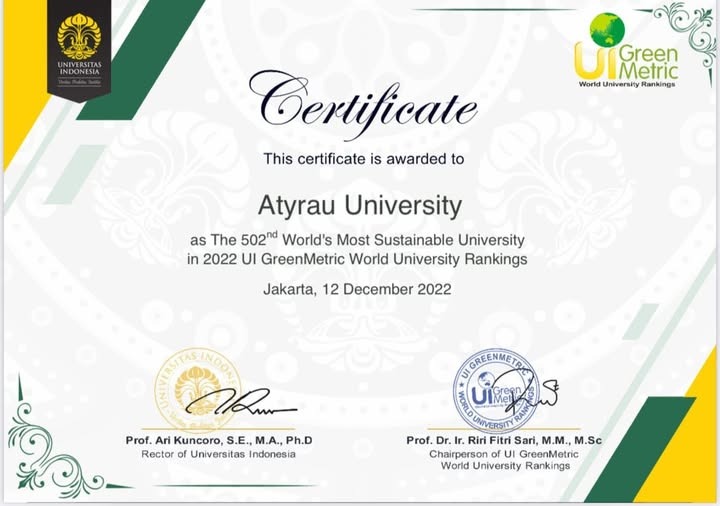
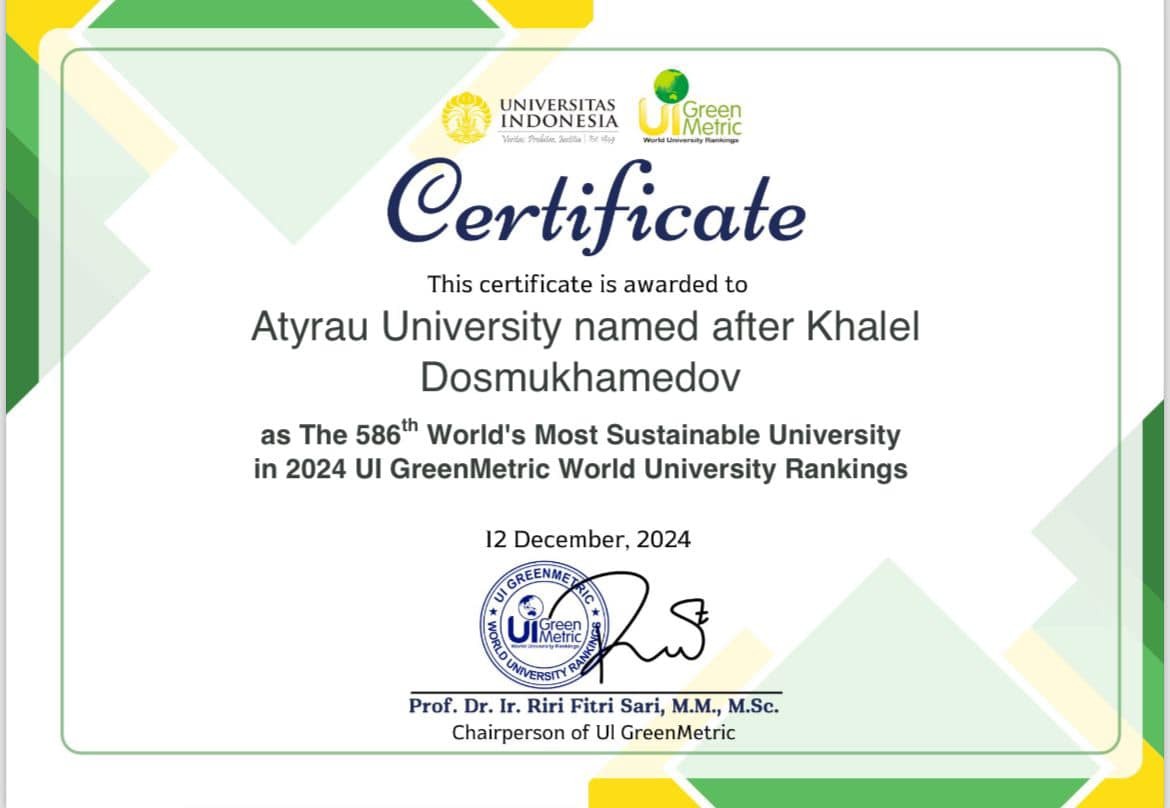
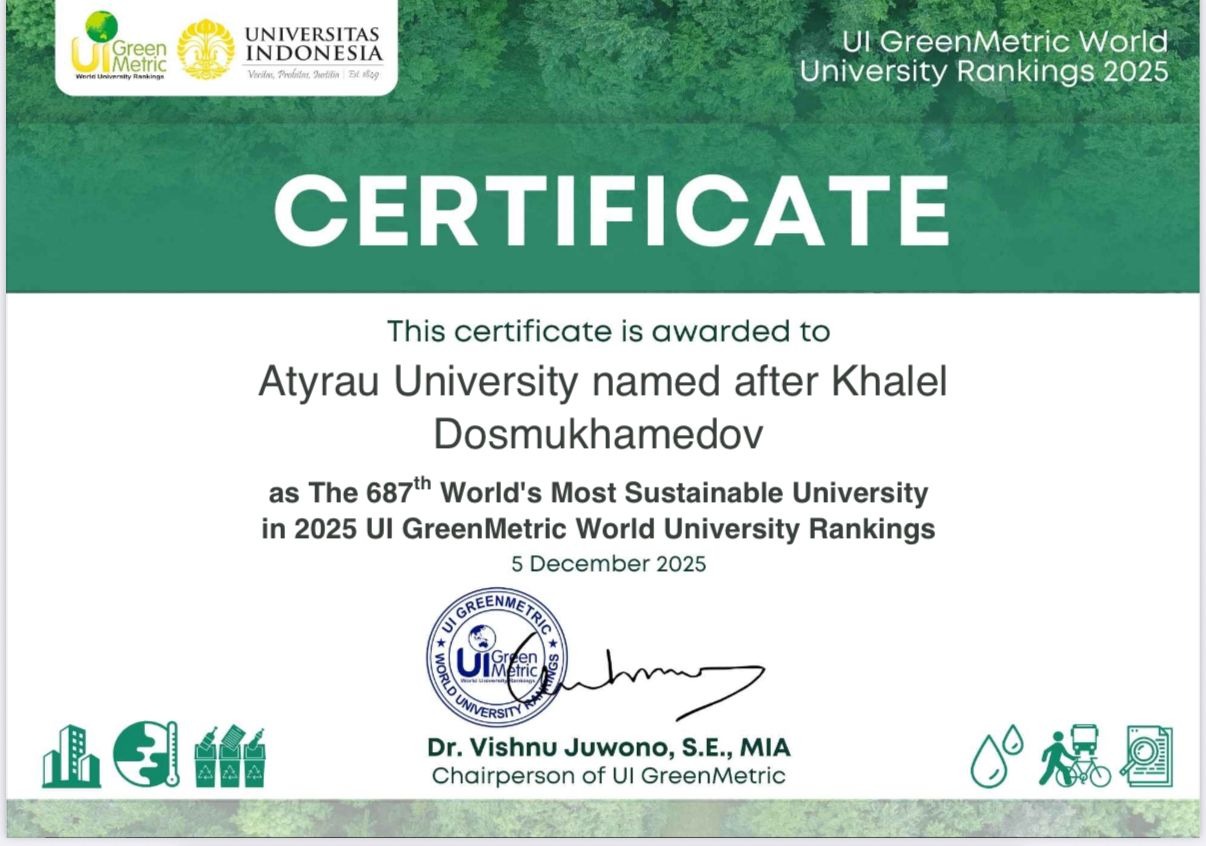
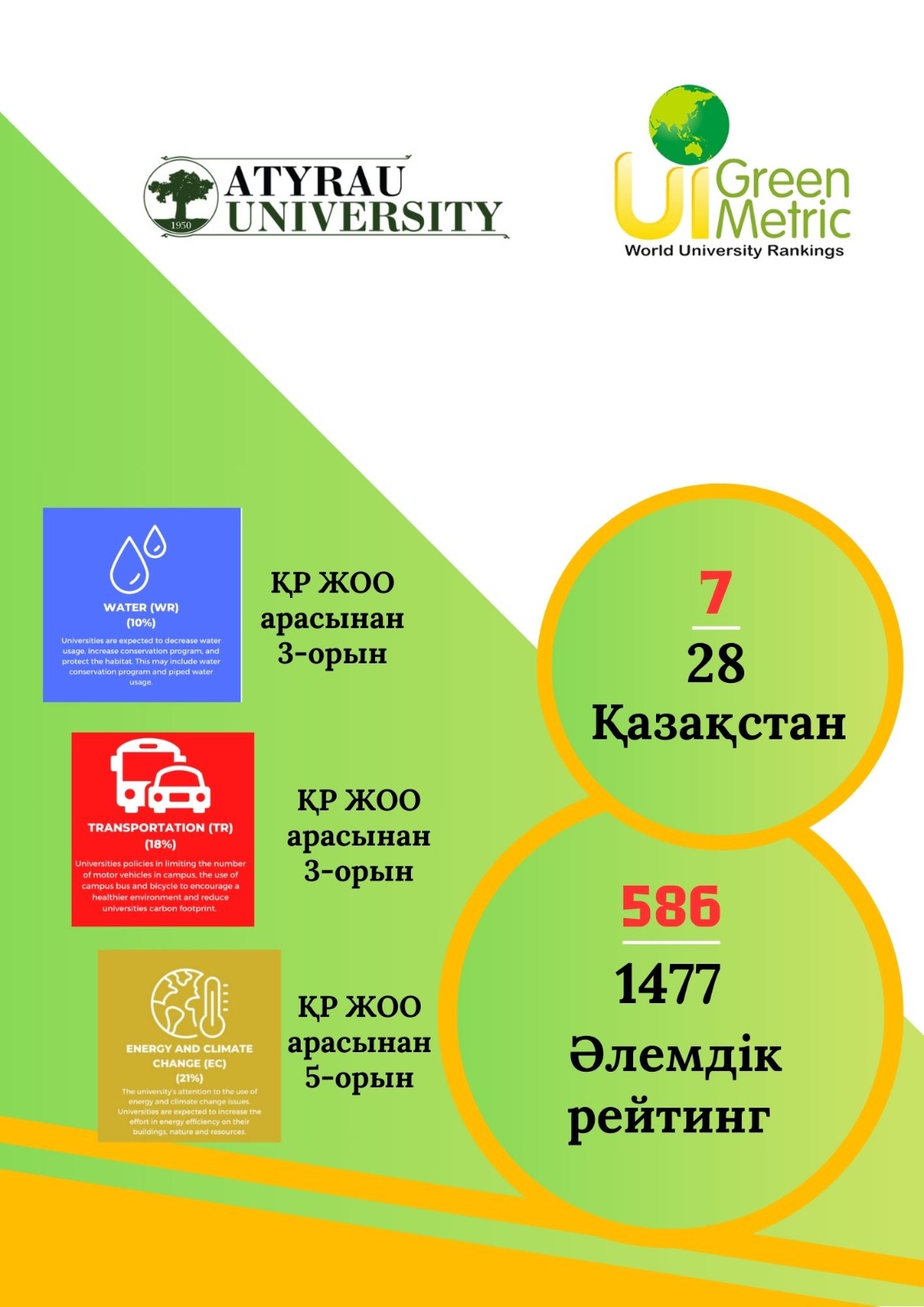
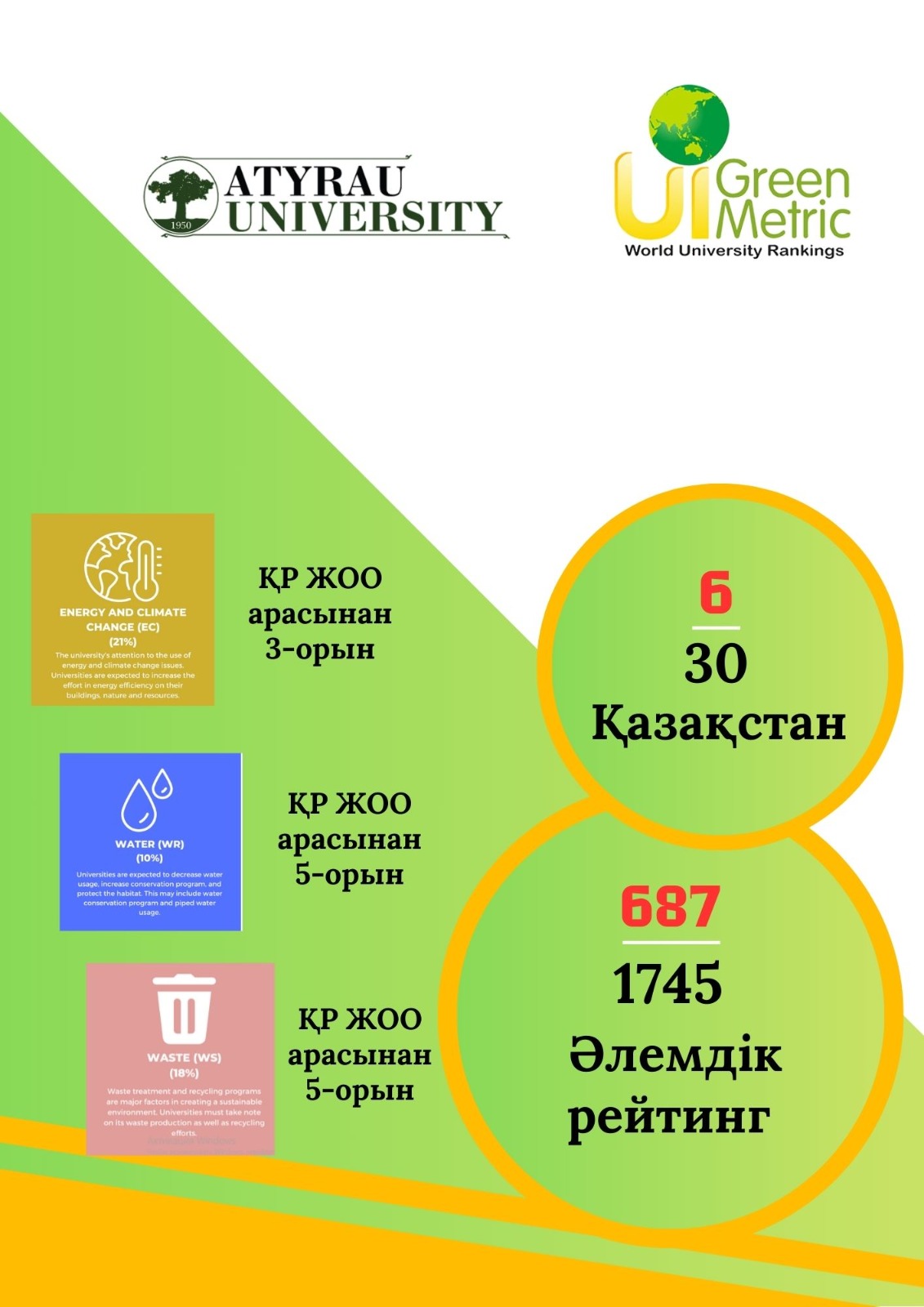
Since 2018, the university has participated in the international UI GreenMetric World University Rankings, demonstrating steady positive dynamics: an improvement of 60 positions in the first year of participation, 6th place among universities in Kazakhstan in 2019, further growth in 2022, and 687th place in the world ranking by the end of 2025, while maintaining the 6th position among 30 participating national universities. These results reflect systematic work on the development of campus infrastructure, energy saving, waste management, and environmental education.
A special place in the sustainability agenda is occupied by the Department of Ecology of the Faculty of Natural Sciences. Educational programs 6B05201 "Applied Ecology," 6B05202 "Eco-analytics," and 6B05203 "Waste Management" are implemented in close connection with the industrial sector of the region. The departments of chemistry, chemical technology, and ecology implement programs developed in close cooperation with industrial and state structures. Key partners include Atyrau Refinery LLP, Kazakhstan Petrochemical Industries Inc. LLP, NIPI Caspiymunaigas JSC, Tengizchevroil LLP, Chevron Munaigas Inc., Polymer Production LLP, the National Center for Expertise and Certification, the Department of Sanitary and Epidemiological Control of the Atyrau Region, Kazhydromet, KazNIIVKh, KazNIGRI, the Kazakhstan Scientific Research Institute of the Caspian Sea, and other organizations. The practice-oriented training format allows students to participate in public hearings on complex environmental permits, get acquainted with the waste sorting system at the "Spetsavtobaza" institution, and visit production facilities and laboratories.
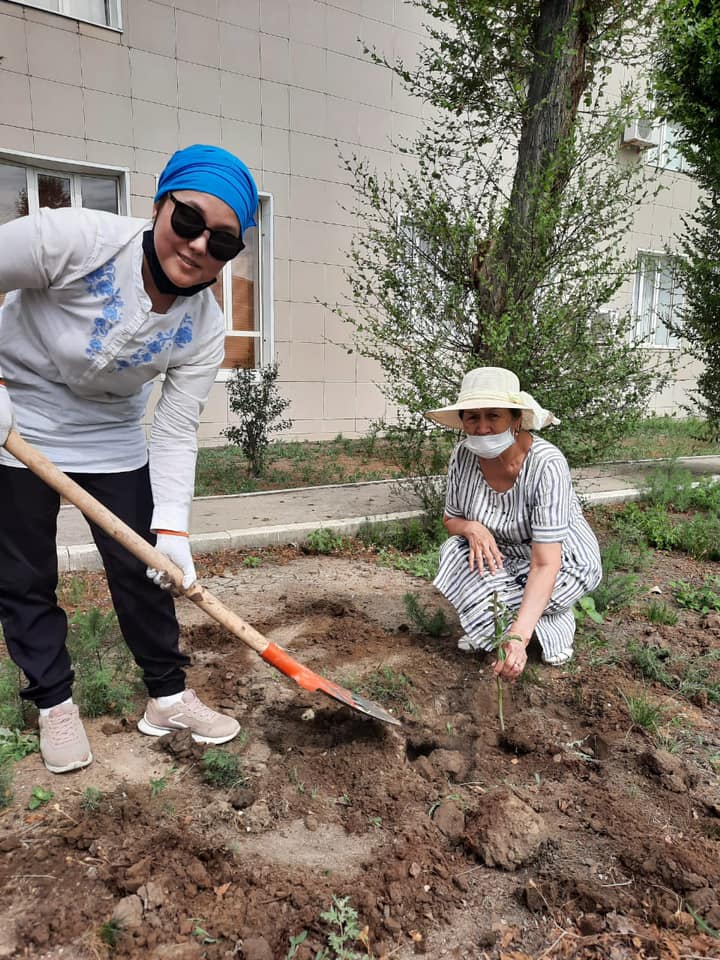
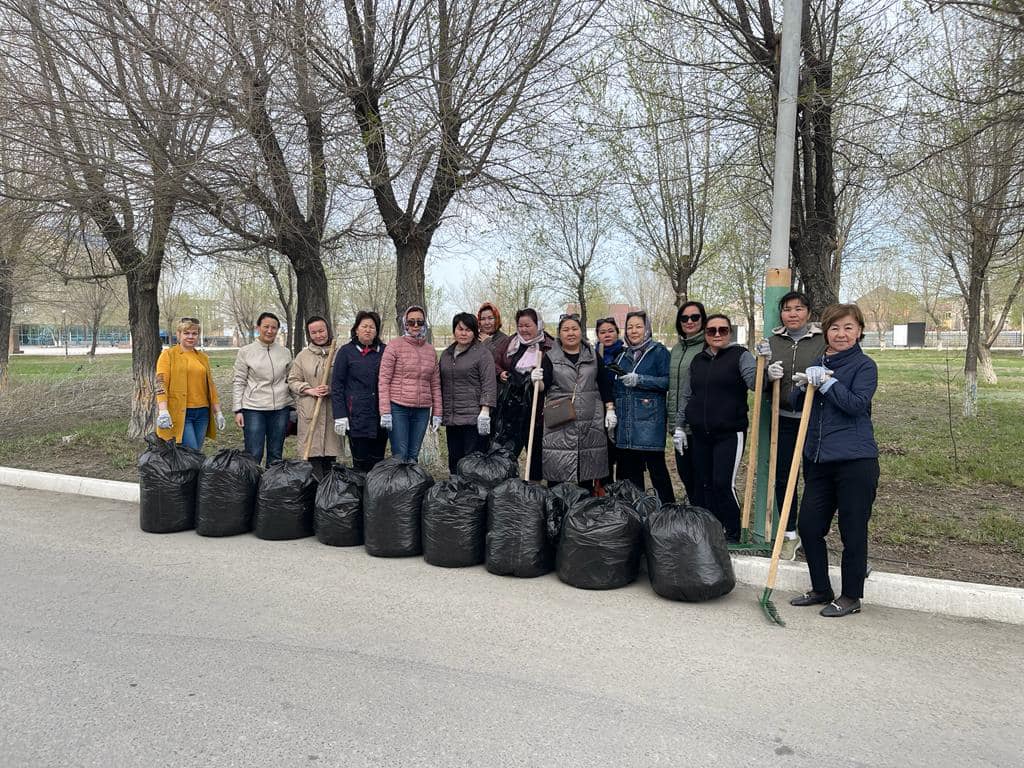
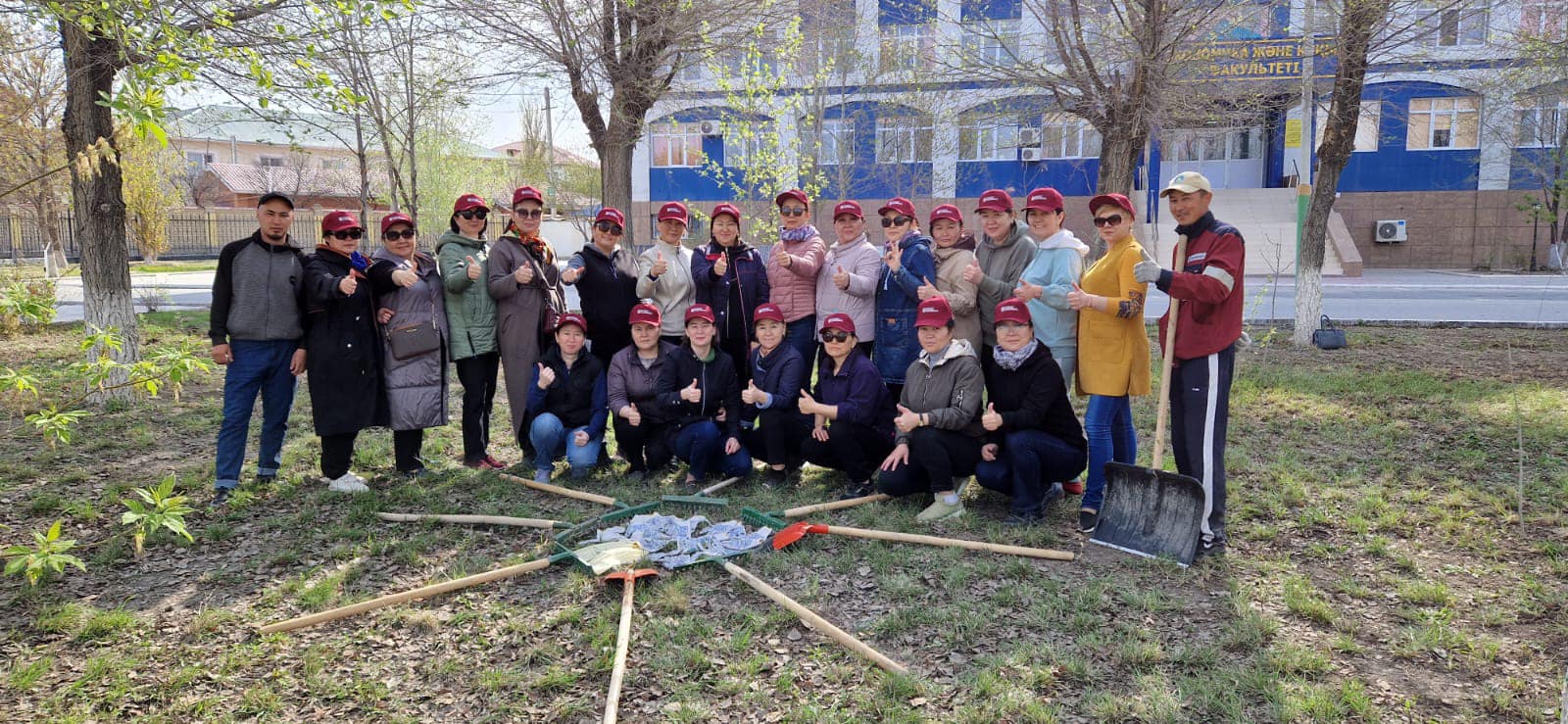
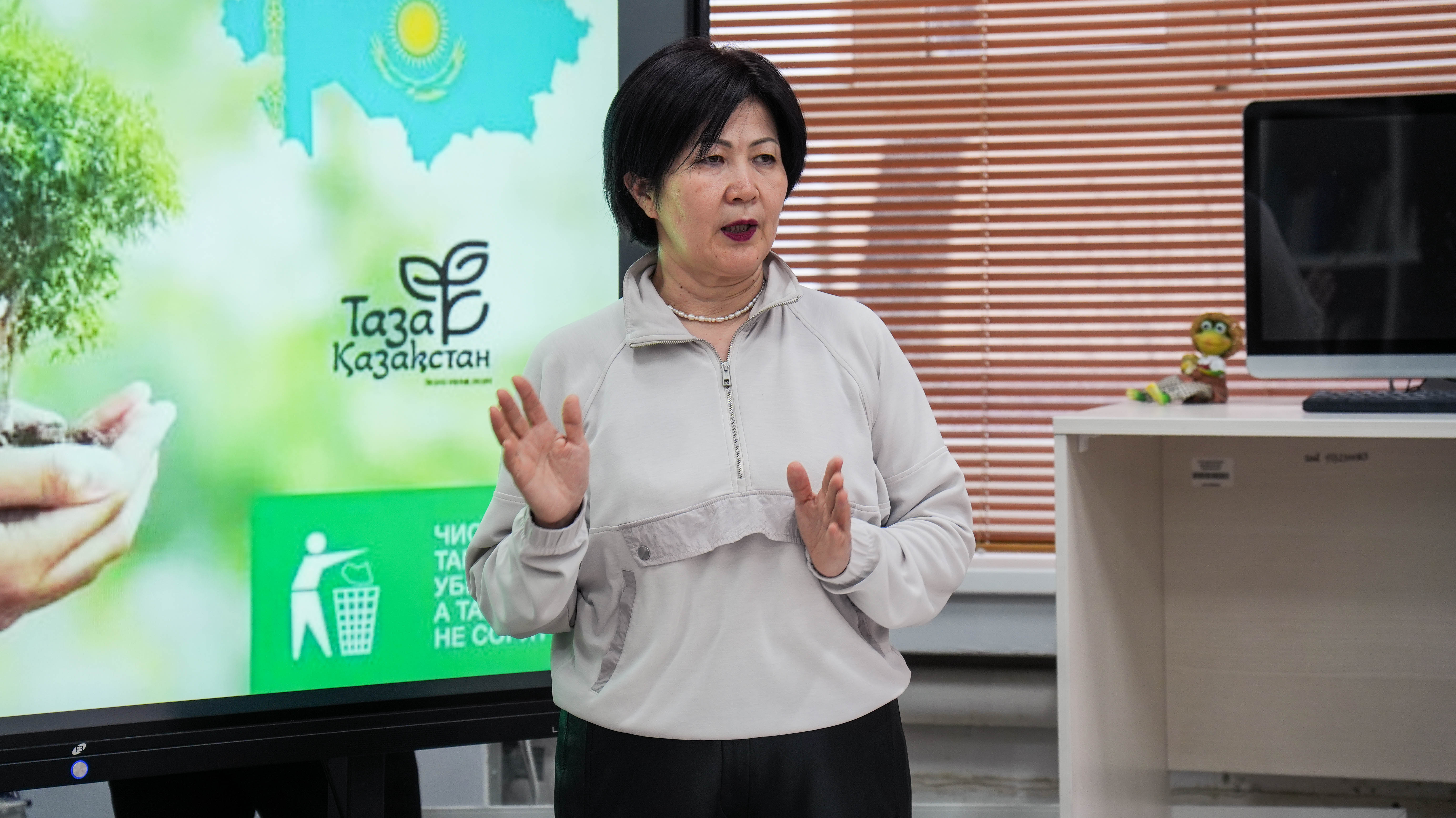
In 2024–2026, the university implemented a large-scale complex of measures aimed at developing the environmental culture and professional competencies of students. Within the framework of the republican action "Taza Qazaqstan," tree plantings were carried out together with the "Akzhayik" State Nature Reserve, along with environmental clean-up events, open seminars on waste sorting culture, energy-saving trainings, and master classes titled "Taza Qazaqstan — Guarantee of a Clean Future." Round tables were organized on the issues of shallowing and pollution of the Ural River with the participation of representatives from the Akzhayik Reserve, Kazhydromet, NIPI Caspiymunaigas, the Department of Ecology for the Atyrau Region, the Aarhus Center, and public organizations.
A significant area of focus is the cooperation with North Caspian Operating Company N.V. (NCOC), within which lectures on industrial safety, oil spill prevention, biodiversity research, and sustainable production processes are held, as well as round tables on the development of the Kashagan field. Representatives of Embamunaigas JSC, the Zhayyik-Caspian Basin Inspection, the specialized environmental prosecutor's office, and the Department of Environmental Regulation regularly speak to students, forming an understanding of the legal and managerial mechanisms of environmental responsibility.
Student scientific initiatives receive support in the form of startup projects and competitions. Within the JasScience Project Challenge, with the participation of the "Caravan of Knowledge" Public Foundation, the Eurasia Foundation of Central Asia, and Chevron, students presented innovative environmental developments. Projects of the "Ekos" circle, including the creation of products from epoxy resin using glass waste, the development of sulfur concrete, bioplastics, and the recycling of cigarette waste, demonstrate the integration of scientific research and practical solutions for the region.
The university is actively developing the field of health protection and biomedical research. Together with the "Ecomed-Atyrau" clinic, the Department of Biology and Fisheries held a scientific seminar dedicated to modern technologies of in vitro fertilization, discussion of achievements in embryology, and the integration of science and clinical practice.
An important vector of activity is international cooperation. The university is a member of the Association of Universities of Caspian Region Countries, which strengthens scientific and educational interaction in the Caspian basin. Partnership within the Orhun Exchange Program is actively developing, ensuring the academic mobility of students and teachers. The university is also considering the prospect of joining the European University Association as a strategic step towards expanding international integration, improving the quality of education, and strengthening its position in the global academic space.
Through education, science, social initiatives, and partnerships, Khaleel Dosmukhamedov Atyrau University forms a sustainable institutional model that unites industry, government agencies, scientific organizations, and civil society. The consistent integration of the principles of environmental responsibility, innovation, inclusion, and international cooperation makes the university a center for sustainable development of the Caspian region and a reliable partner in shaping the sustainable future of Kazakhstan.
Show more
Research and reports on the Sustainable Development Goals (SDGs)
Research and reports on the Sustainable Development Goals (SDGs)
No poverty
ЦУР 1
Zero hunger
ЦУР 2
Good health and well-being
ЦУР 3
Quality education
ЦУР 4
Gender equality
ЦУР 5
Clean water and sanitation
ЦУР 6
Affordable and clean energy
ЦУР 7
Decent work and economic growth
ЦУР 8
Industry, innovation and infrastructure
ЦУР 9
Reduced inequalities
ЦУР 10
Sustainable cities and communities
ЦУР 11
Responsible consumption and production
ЦУР 12
Climate action
ЦУР 13
Life below water
ЦУР 14
Life and land
ЦУР 15
Peace, justice and strong institutions
ЦУР 16
Partnerships fot the goals
ЦУР 17
University Policy
Events gallery
Photos from events and activities
News and Announcements
Latest news on sustainable development

Policy on Quality Education
24.04.2026

Policy on Law and Order
22.04.2026
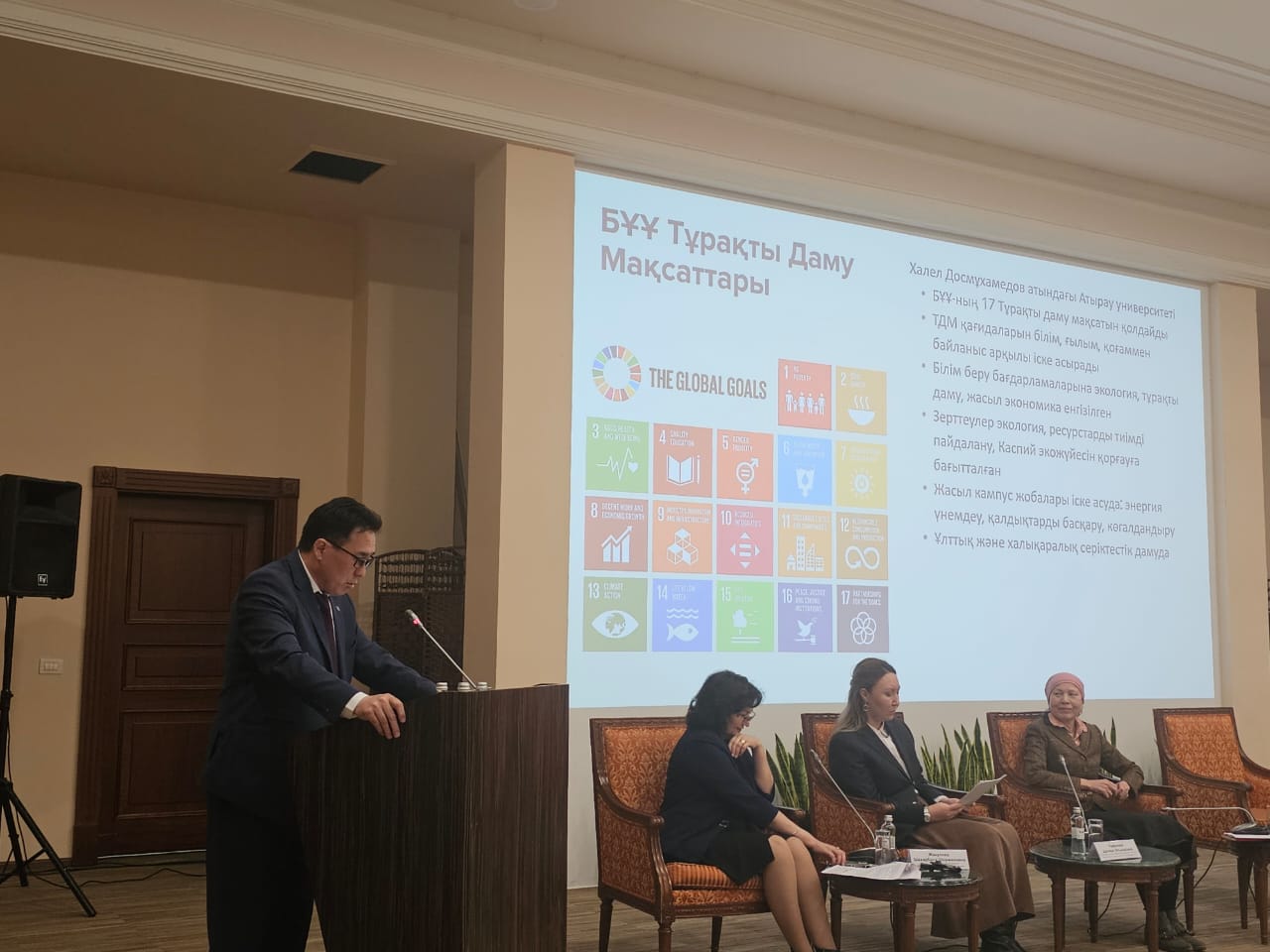
University’s Partnership in Sustainable Development Highly Recognized at the National Level
15.04.2026
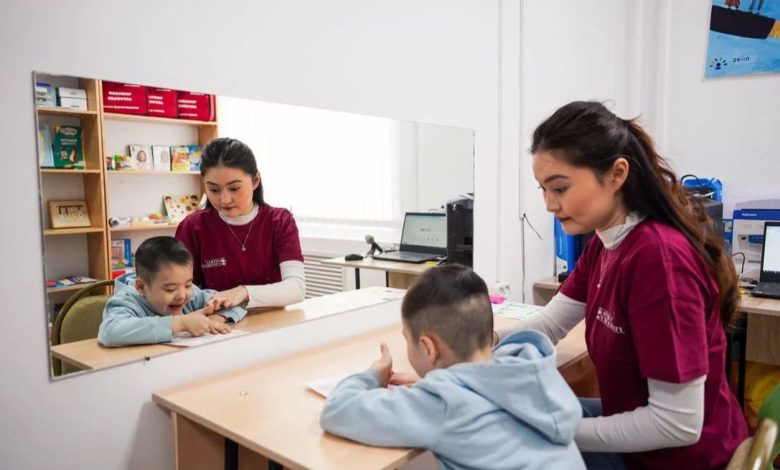
A New Model of Inclusive Education Is Being Implemented in Atyrau
03.04.2026

Sustainable Development of Aquaculture
30.03.2026

Greening and Waste Recycling
17.03.2026

Implementation Plan for the University Climate Strategy
17.03.2026

Renewable Energy Development
16.03.2026
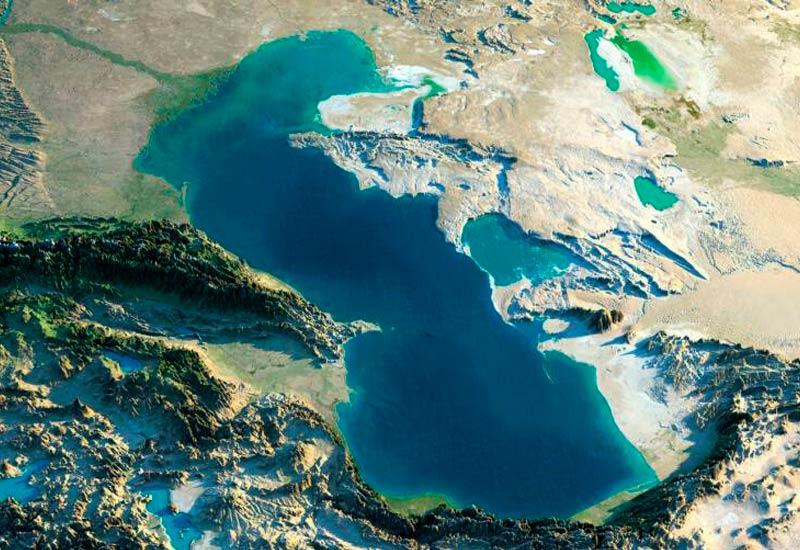
The Caspian Sea Ecosystem and Environmental Research
16.03.2026

Anti-Corruption and Compliance Service Policy
12.03.2026

Inclusive Education Policy
12.03.2026
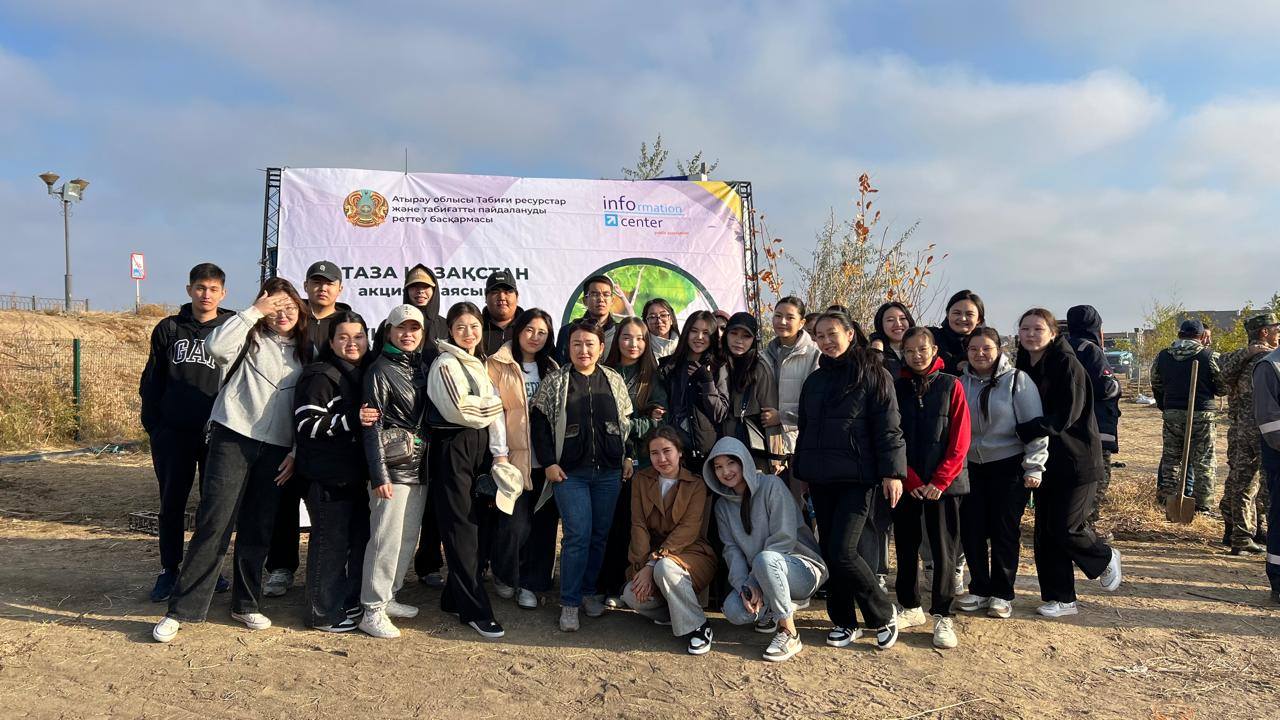
“GreenWay” Eco Club
11.03.2026
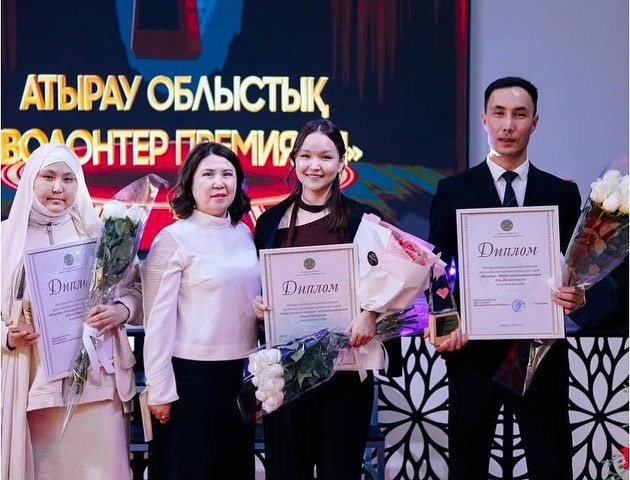
The “ASUMIT” Charity Club
11.03.2026
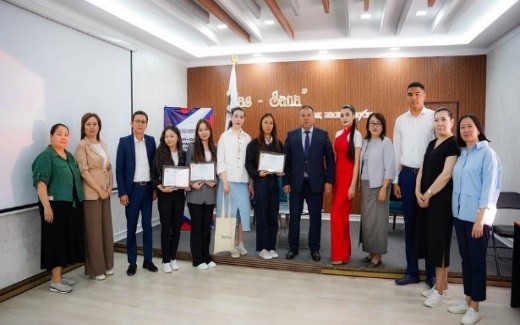
“Sanaly Urpaq” Anti-Corruption Club
11.03.2026
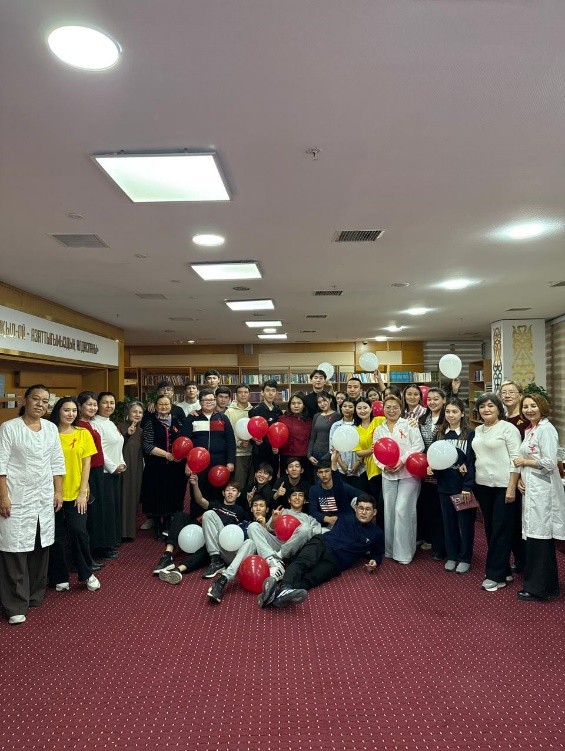
The “Tanym” Psychological and Medical Club
11.03.2026
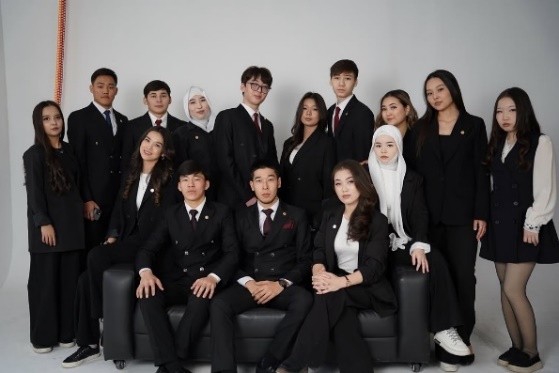
Student Parliament
11.03.2026
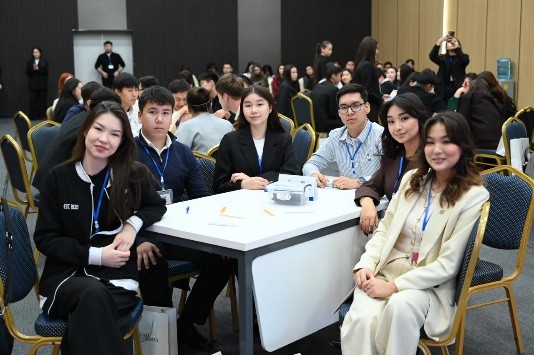
The “Koshbasshy” Brain Ring Intellectual Club
11.03.2026

The “Senator” Debate Club
11.03.2026
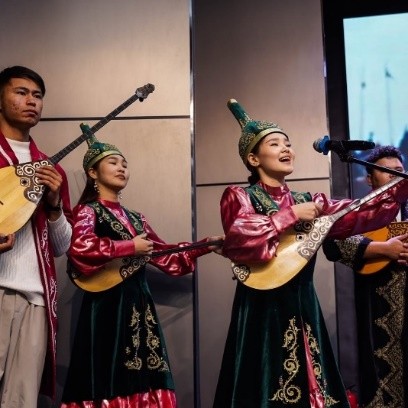
Aqtanger” Student Poetry Club
11.03.2026
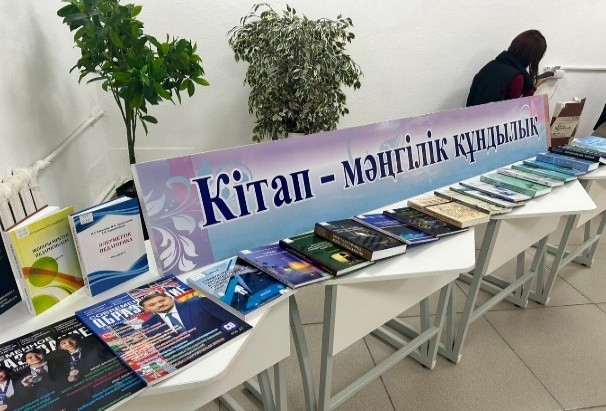
The “Sana” Book Club
11.03.2026

The “ASU LIFE” Media Club
11.03.2026

“IDEP” Language Learning Club
11.03.2026

The “Kyz Zhibek” Girls’ Club
11.03.2026
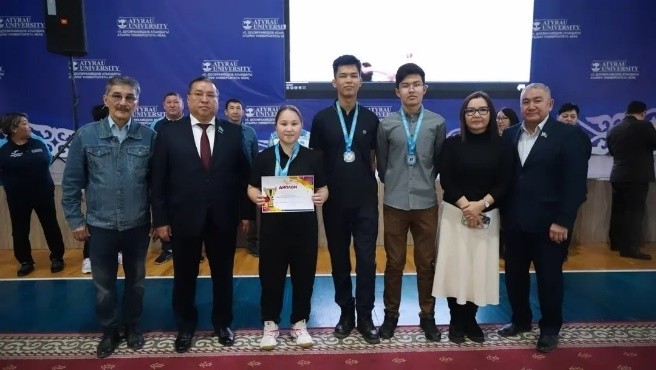
The “Bolashaq” Sports Club
11.03.2026
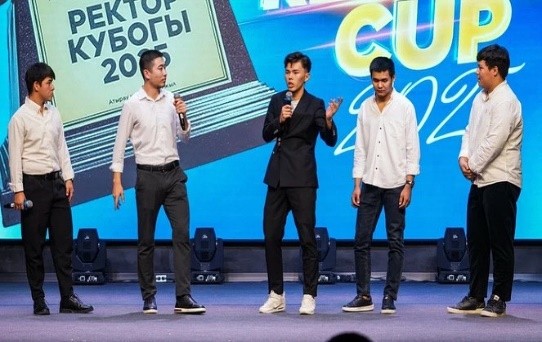
“Khalel Team” KVN (Club of the Funny and Quick-Witted)
11.03.2026
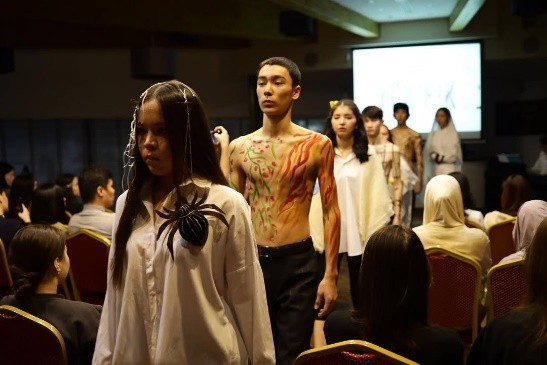
“SAF” Student Theatre Club
11.03.2026
University Policy on Participation in the UI GreenMetric Ranking
05.03.2026
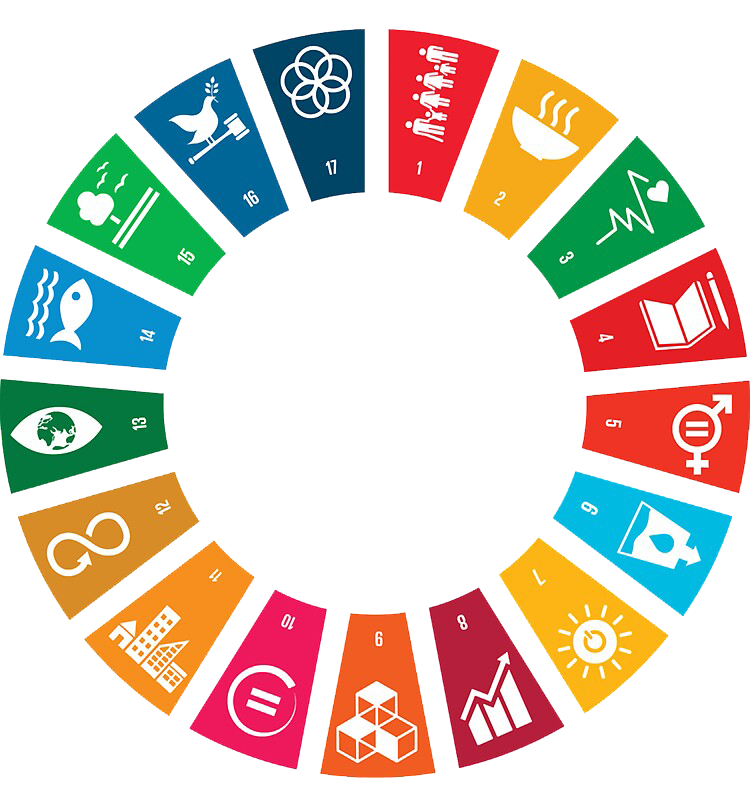
Sustainable Development Policy
05.03.2026
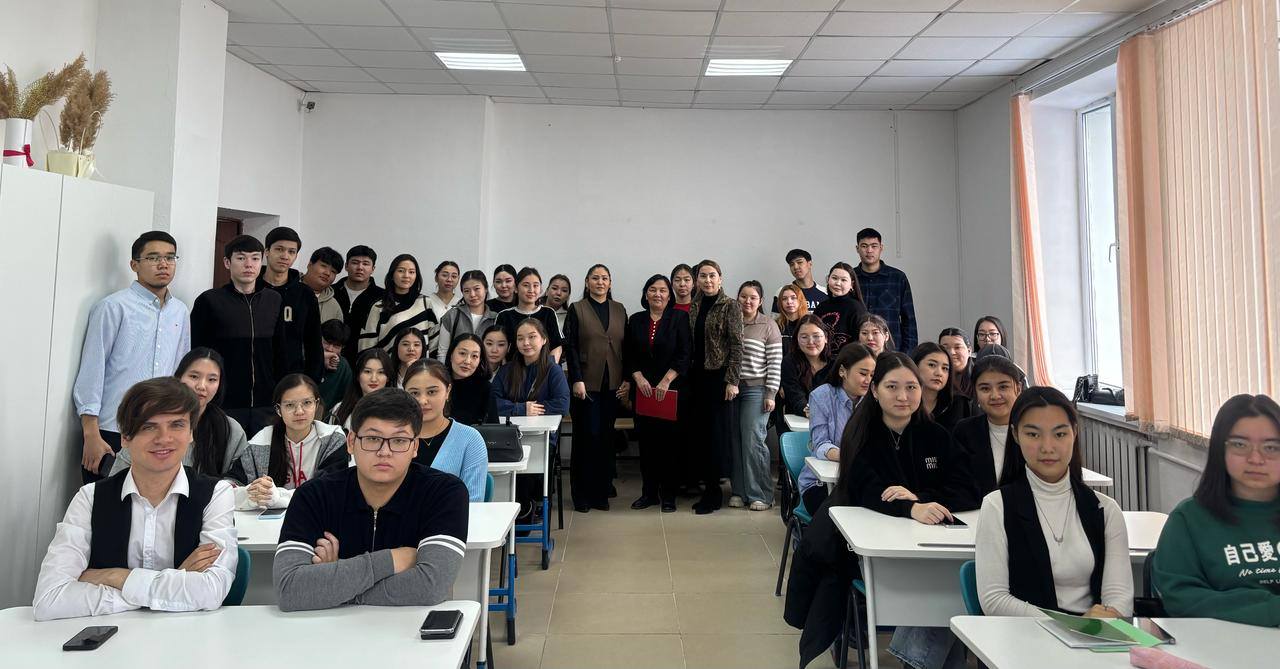
STEM and Artificial Intelligence — A New Impetus in Early Childhood Education.
15.02.2026
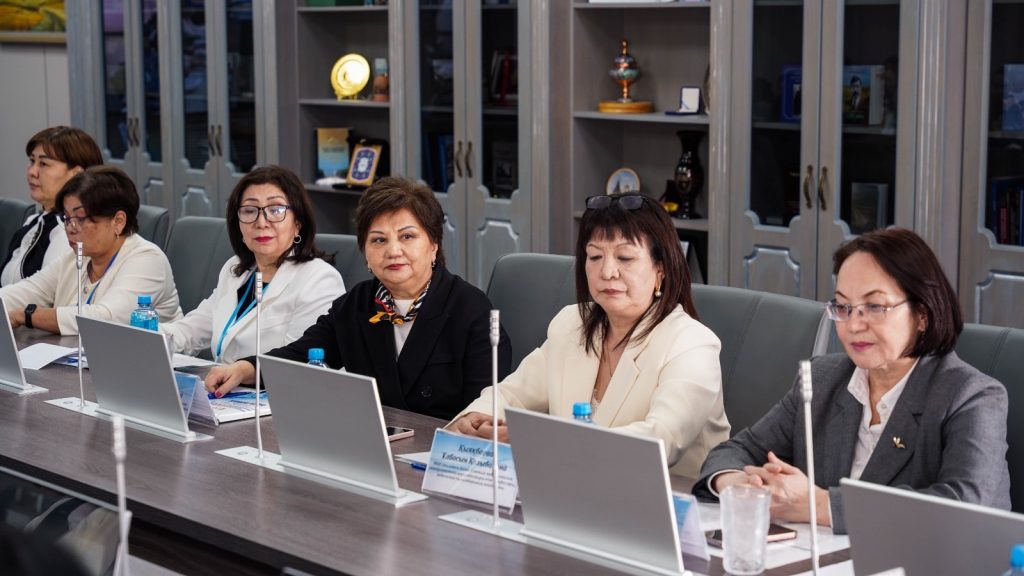
Guest Lecture by the Department of Ecology on Public Service and Civic Responsibility
15.02.2026
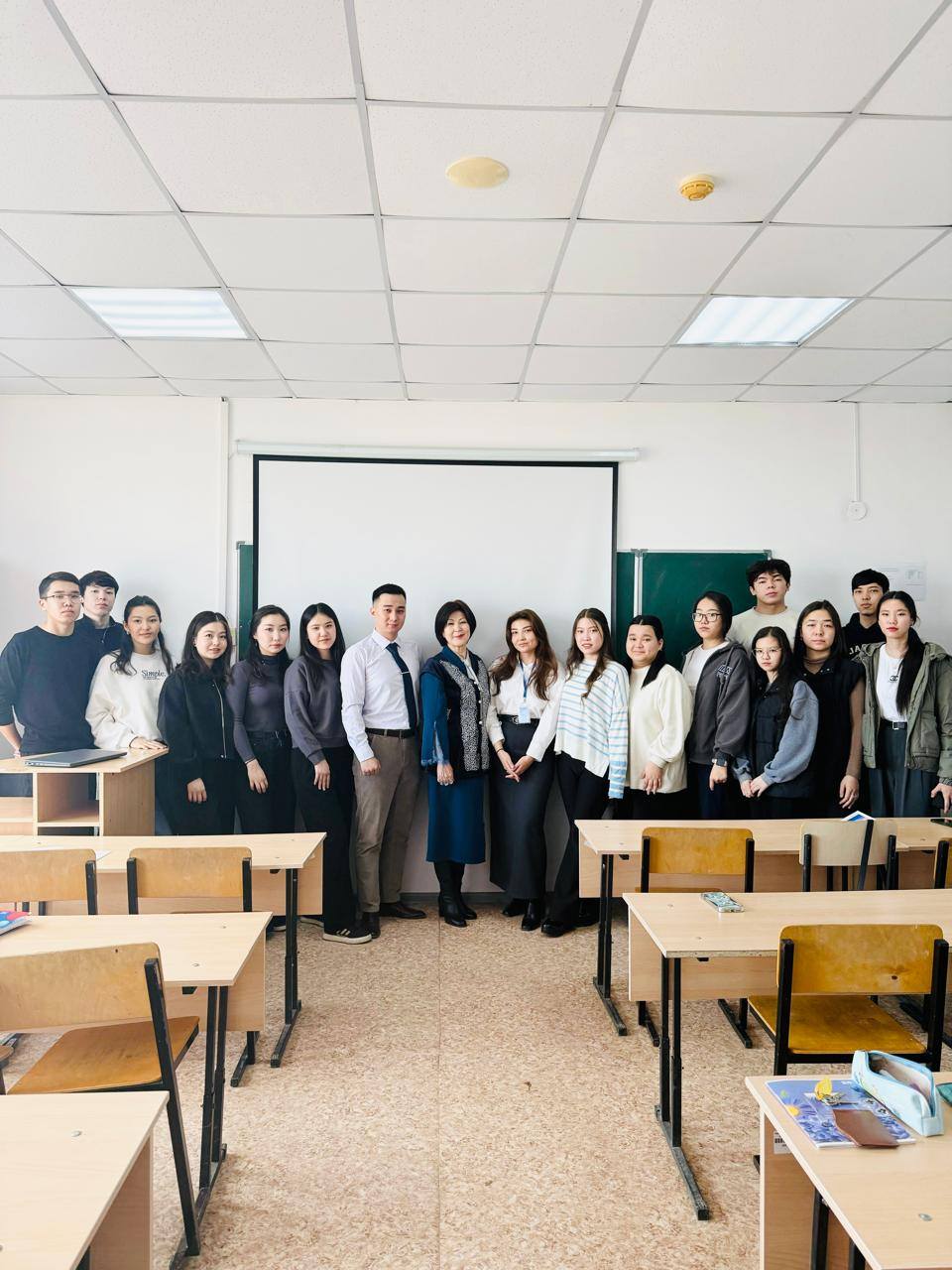
Open Lecture by an Alumnus: Career Path in Water Resource Management
15.02.2026
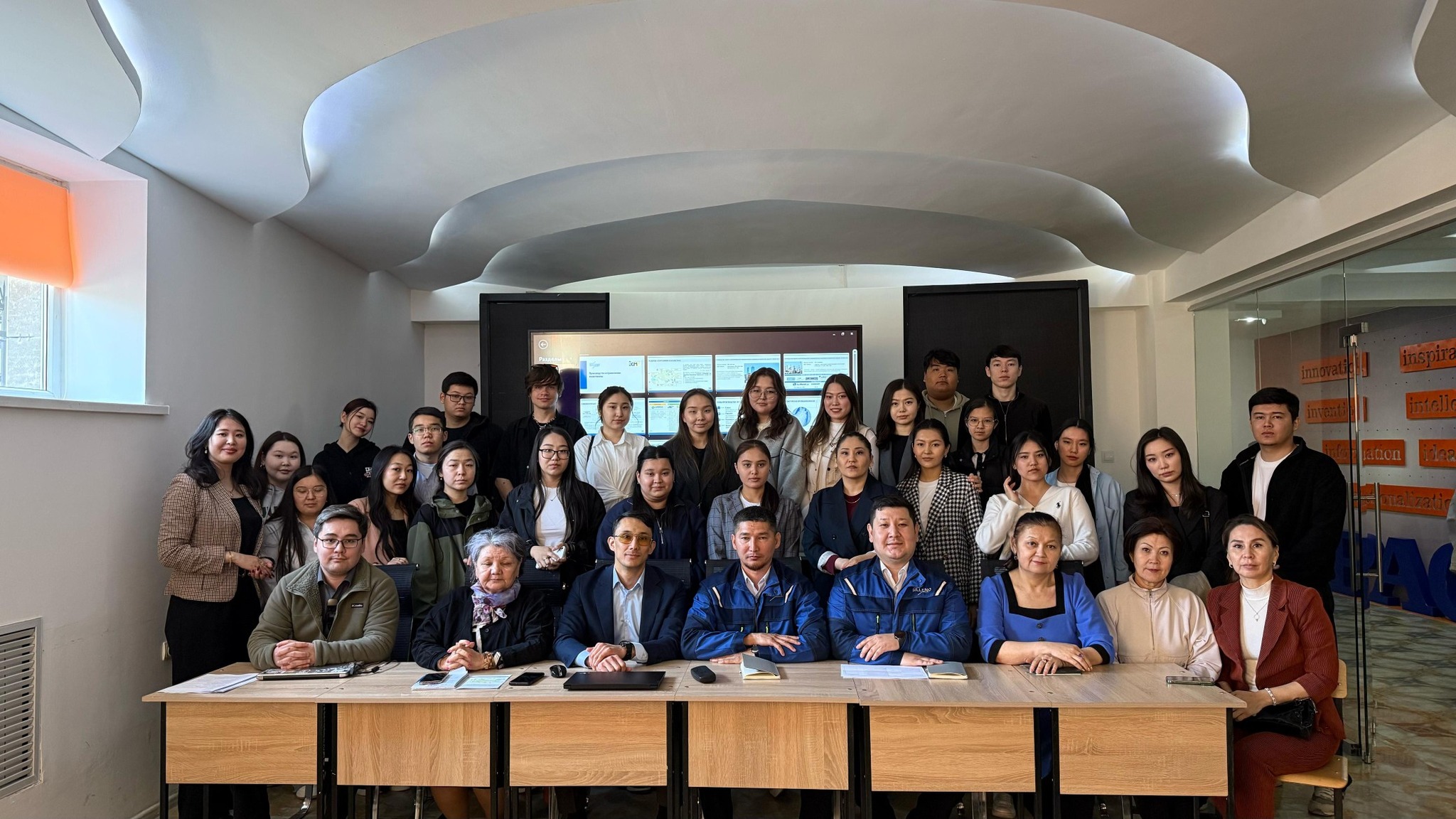
Information Seminar on Petrochemical Development and Polyethylene Production in Kazakhstan
15.02.2026
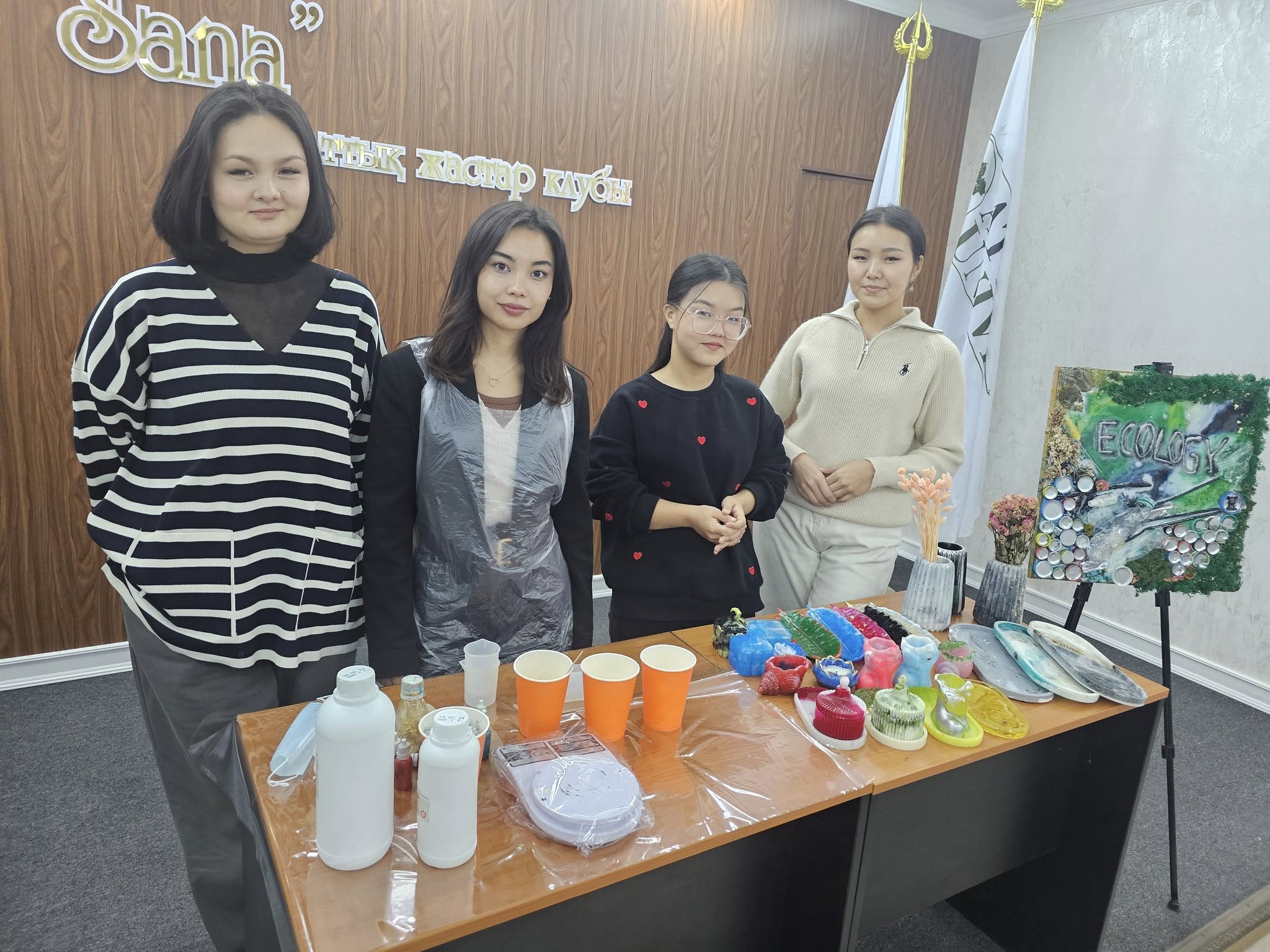
“Taza Kazakhstan”: Presentation of Innovative Student Environmental Projects
15.02.2026
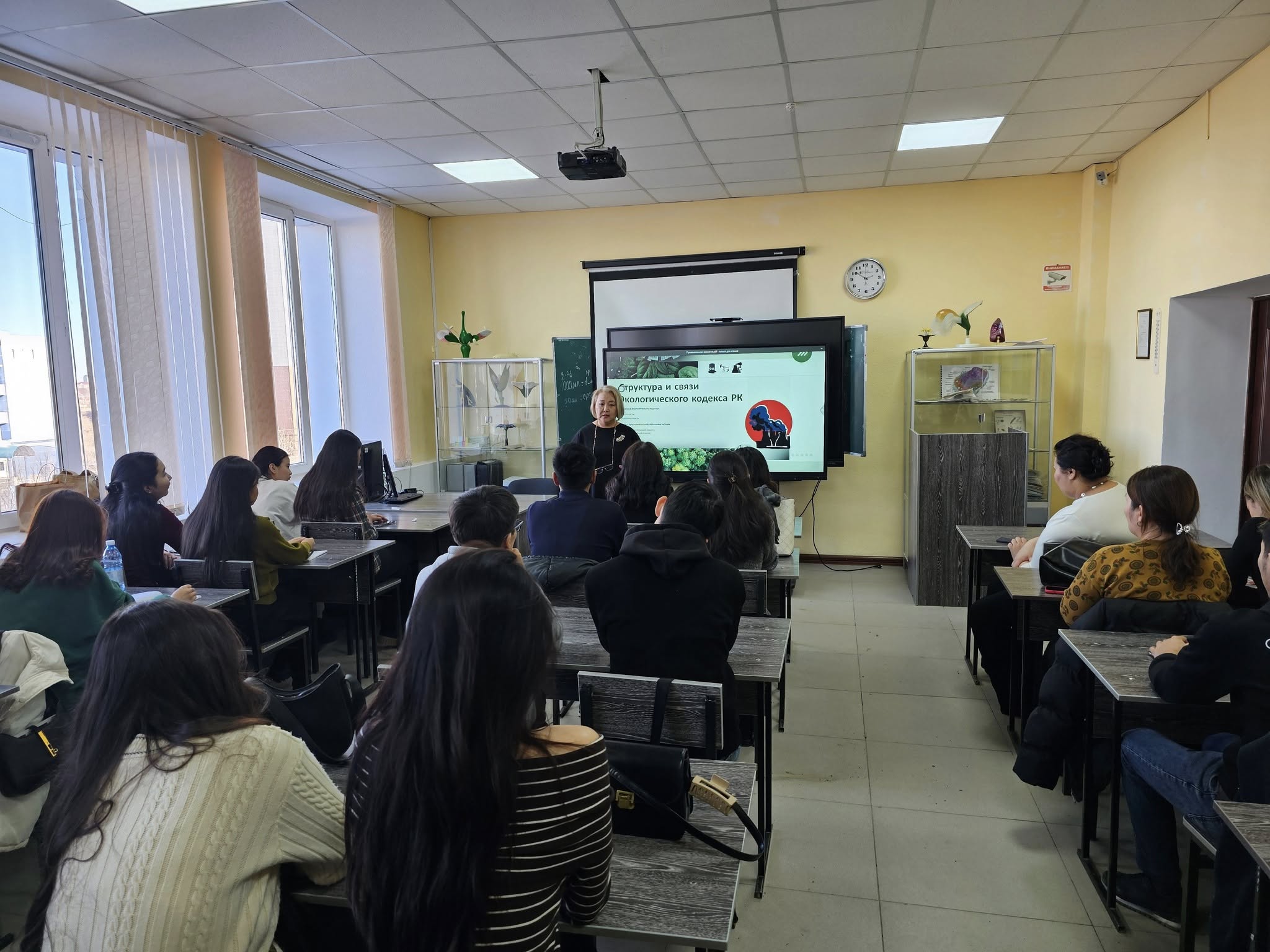
Production Ecology and Carbon Footprint: Guest Lecture by Embamunaigas Specialists
15.02.2026
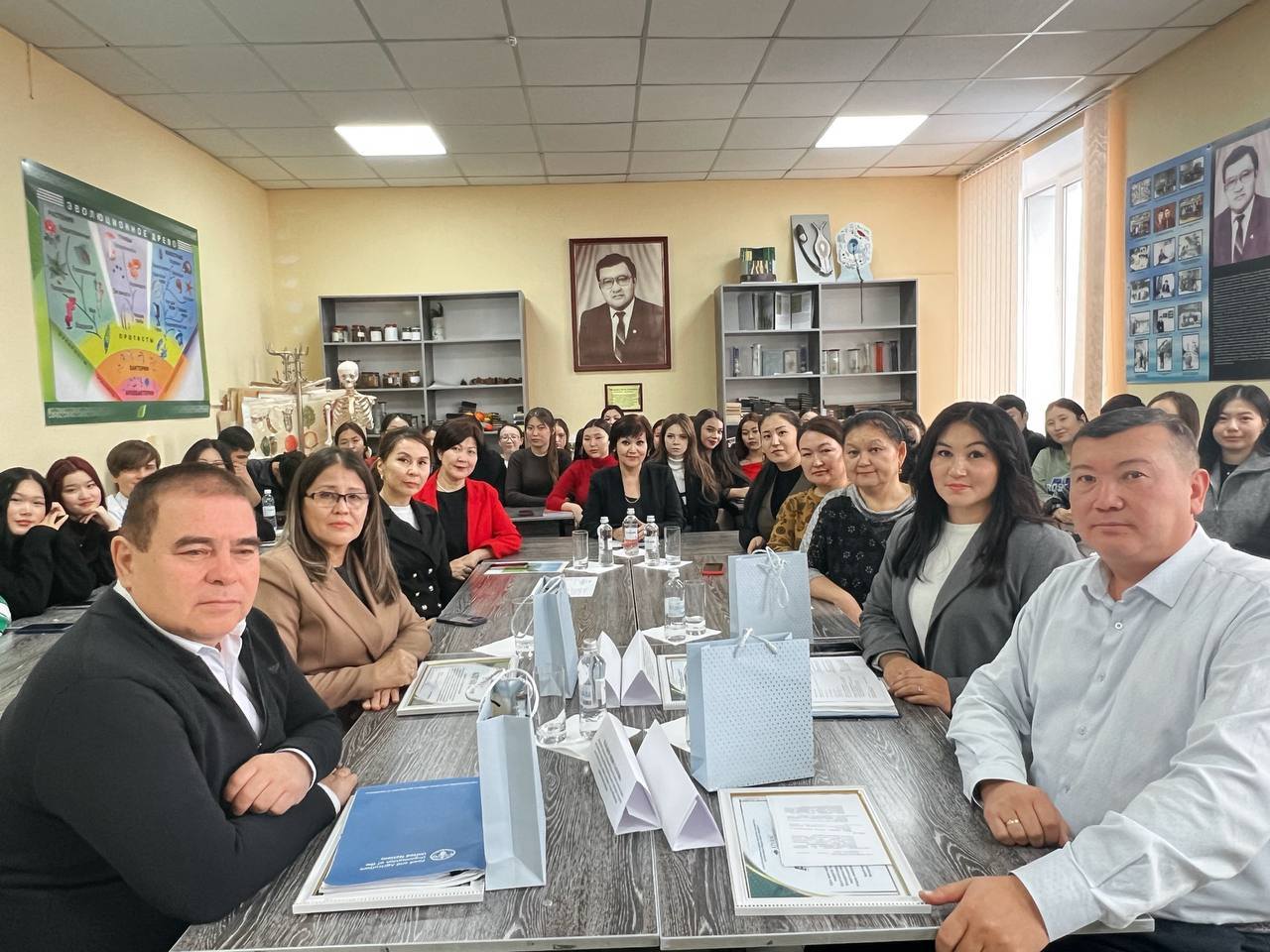
Round Table on Shoaling and Pollution of the Ural River and Biodiversity Conservation
15.02.2026
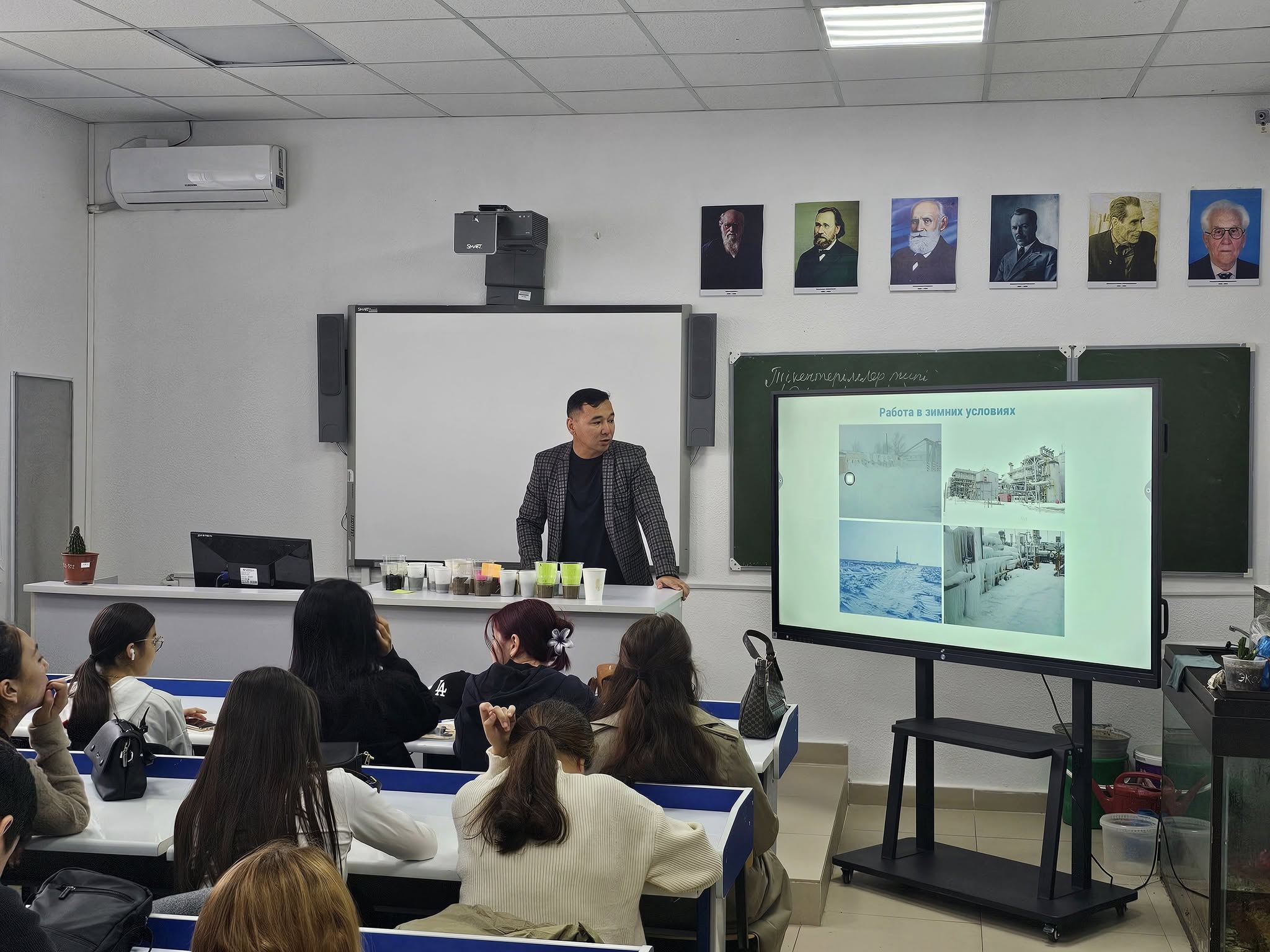
Guest Lecture on Tengizchevroil Production Processes for Ecology Department Students
15.02.2026
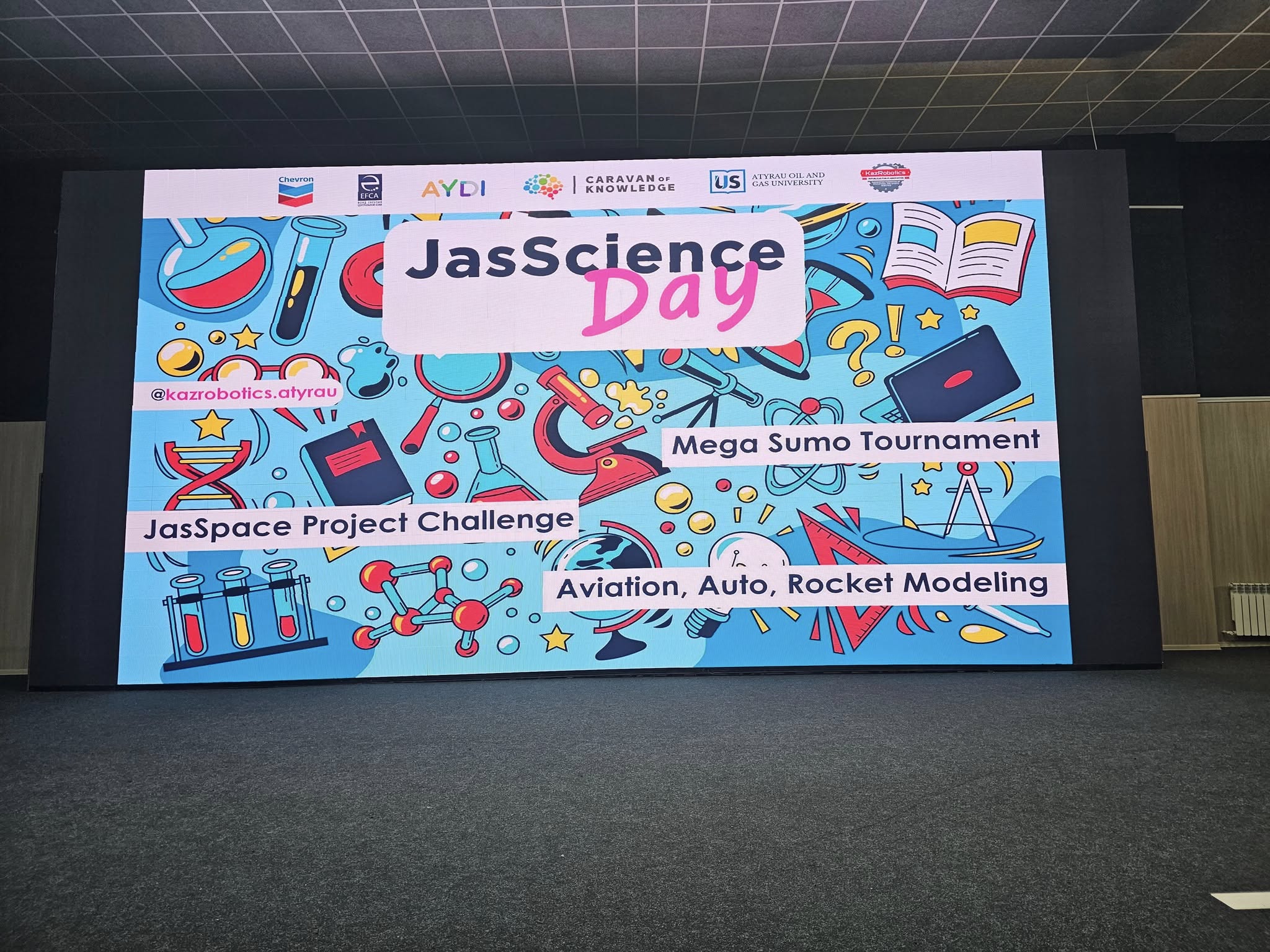
Atyrau University Students Win at JasSpace Project Challenge 2024
15.02.2026
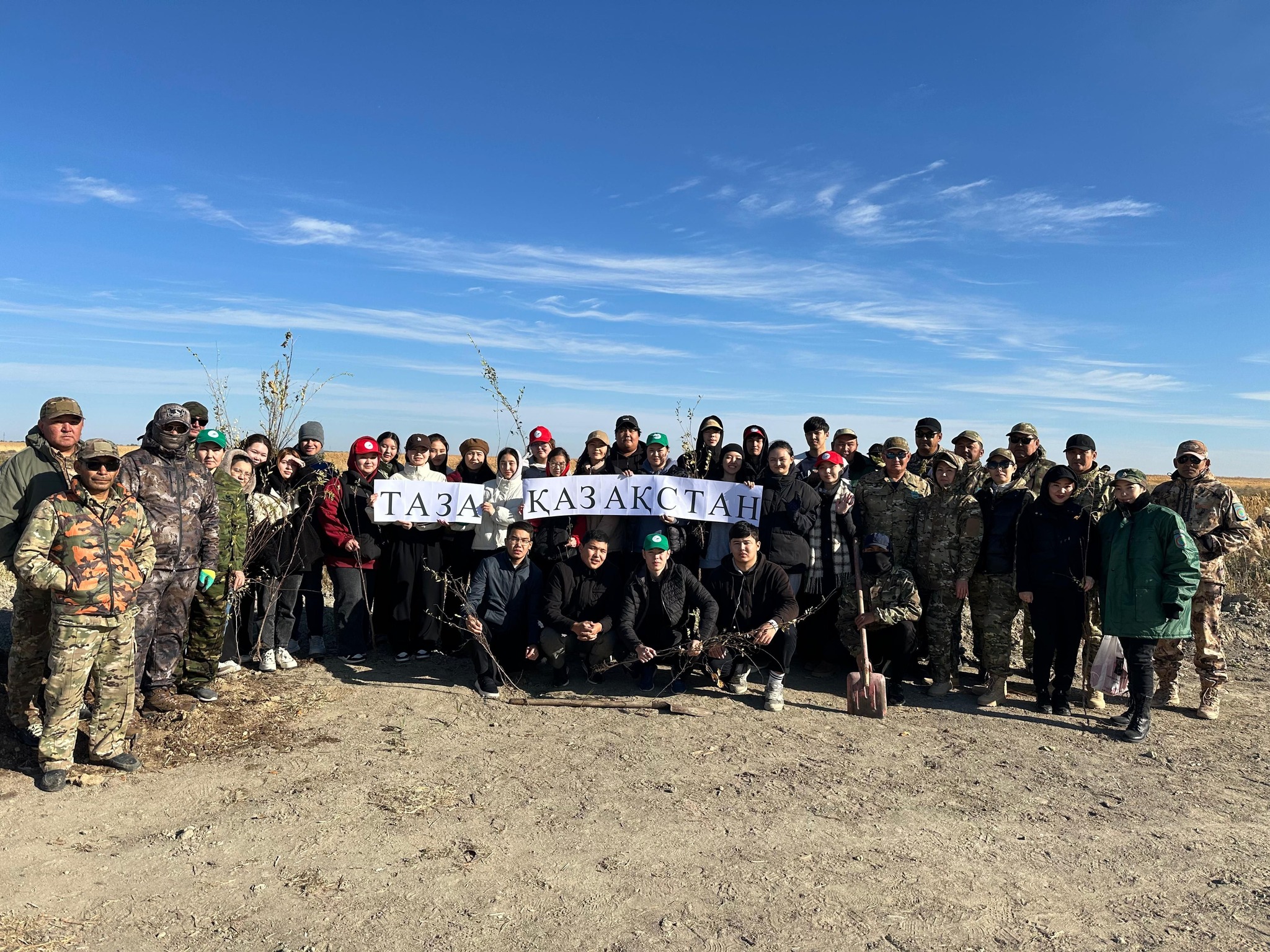
Atyrau University Students Participate in Tree Planting at Akzhaiyk Nature Reserve
15.02.2026
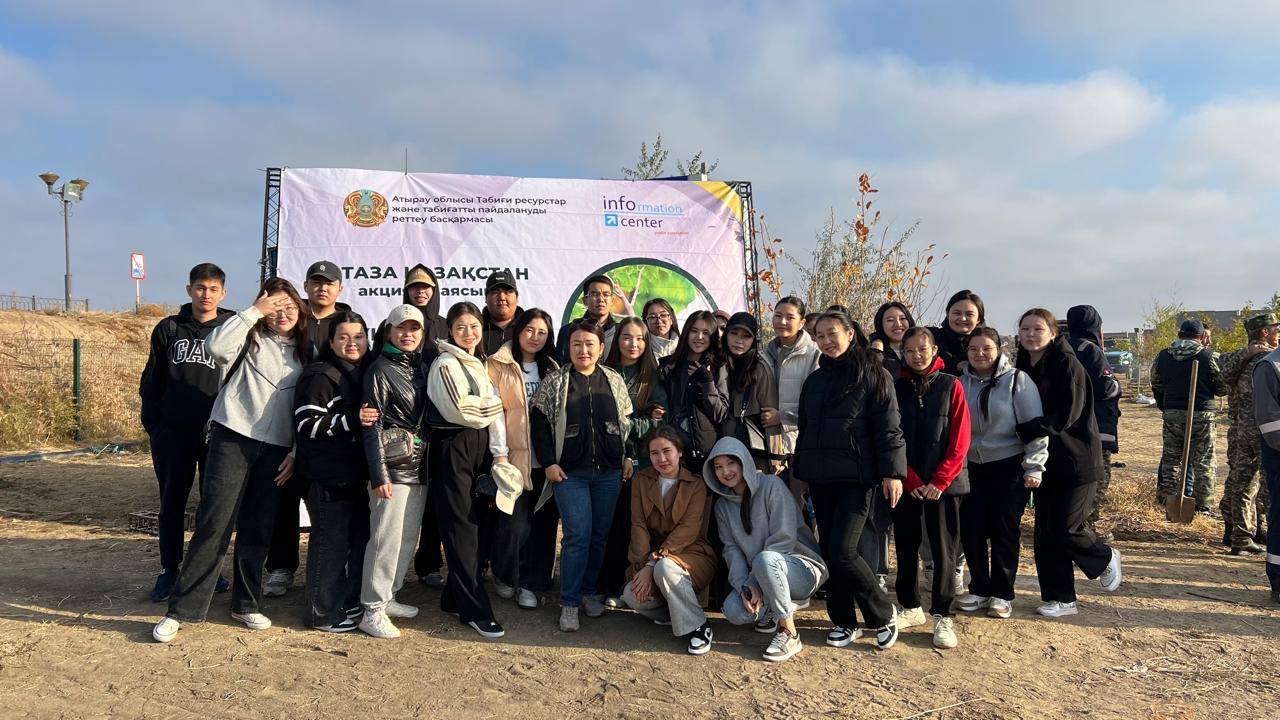
Atyrau University Students Participate in “Taza Kazakhstan” Tree Planting at Semey Park
15.02.2026
Rankings and Membership in International Organizations
Our achievements in international rankings
QS Sustainable Development
UI GreenMetrics
Times Higher Education Impact Rankings
By Subject
World University Ranking
Association of State Universities and Research Centers of The Caspian Region Countries.
Association of Silk Road Countries Universities and Consulting Companies
Union of Turkic-Speaking Universities
Association of Asian Universities
European University Association
Student Organizations and Communities
“GreenWay” Eco Club
11.03.2026
The “ASUMIT” Charity Club
11.03.2026
“Sanaly Urpaq” Anti-Corruption Club
11.03.2026
The “Tanym” Psychological and Medical Club
11.03.2026
Student Parliament
11.03.2026
The “Koshbasshy” Brain Ring Intellectual Club
11.03.2026
The “Senator” Debate Club
11.03.2026
Aqtanger” Student Poetry Club
11.03.2026
The “Sana” Book Club
11.03.2026
The “ASU LIFE” Media Club
11.03.2026
“IDEP” Language Learning Club
11.03.2026
The “Kyz Zhibek” Girls’ Club
11.03.2026
The “Bolashaq” Sports Club
11.03.2026
“Khalel Team” KVN (Club of the Funny and Quick-Witted)
11.03.2026
“SAF” Student Theatre Club
11.03.2026