The Caspian Sea Ecosystem and Environmental Research
The Caspian Sea Ecosystem and Environmental Research at Kh. Dosmukhamedov Atyrau University
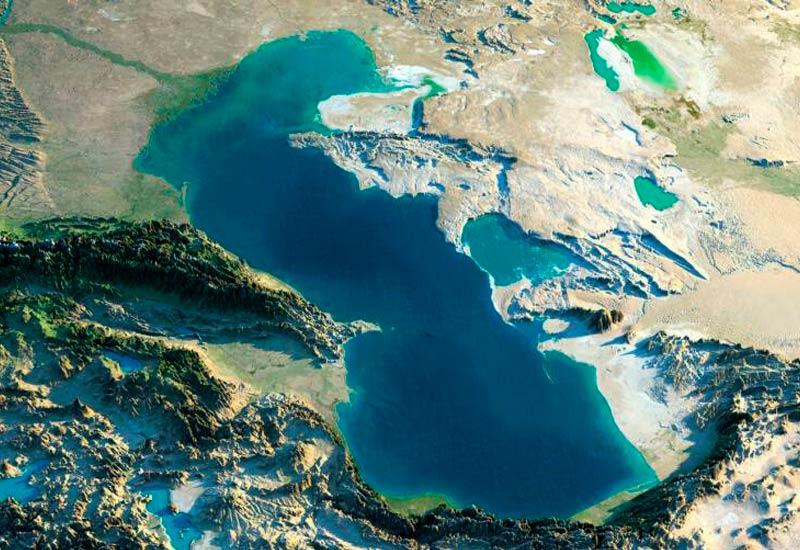
Kh. Dosmukhamedov Atyrau University actively participates in studying environmental and climate processes related to the Caspian Sea. Through scientific research, the university contributes significantly to understanding the causes and consequences of climate change and to finding possible ways to mitigate its effects. Special attention is given to studying the water level of the Caspian Sea, its ecosystem, and the impact of natural and anthropogenic factors on the water body.
The shallowing of the Caspian Sea is one of the major environmental challenges of our time. The decrease in water levels affects not only the natural conditions of the Caspian region but also broader climate processes. Changes in the state of the world’s largest inland water body may influence temperature patterns, air humidity, biodiversity, and the economic and social conditions of coastal countries.
Overall, the Caspian Sea plays an important role in the global climate system. Its condition is linked to natural cycles, atmospheric processes, and human activity. Therefore, research conducted by the university’s scientists is important not only for Kazakhstan and the Caspian region but also for the international scientific community seeking to better understand climate change processes and develop effective environmental protection measures.
Protection of the Caspian Sea Ecosystem
The Caspian Sea is the largest enclosed water body on the planet and plays a crucial role in the ecological, economic, and social life of the region. For Kazakhstan, the northern part of the sea, located in the Atyrau region, is particularly important due to its rich biodiversity and unique natural conditions.
However, intensive industrial development and oil production pose serious environmental challenges. Kh. Dosmukhamedov Atyrau University makes a significant contribution to the study and protection of the region’s ecosystems.
Ecosystem of the Caspian Sea
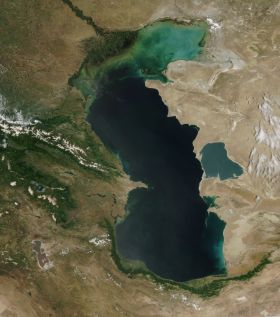
The Caspian Sea ecosystem is characterized by unique biodiversity. The sea is home to many fish species, including sturgeon, which are of great economic importance. It is also inhabited by the rare Caspian seal, the only marine mammal in the Caspian Sea.
The northern part of the sea is shallow and rich in vegetation, creating favorable conditions for fish spawning. The Ural River delta plays a crucial role by supplying fresh water and forming unique wetland ecosystems.
Environmental Challenges
Despite its natural richness, the ecosystem of the Caspian Sea faces several serious challenges.
One of the main problems is water pollution caused by oil extraction, transportation, and industrial waste.
Another issue is the decline of valuable fish species, mainly due to poaching, overfishing, and the destruction of natural spawning areas.
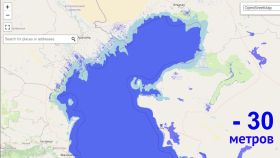
Additionally, recent changes in the water level of the Caspian Sea have also affected coastal ecosystems and biodiversity.
Measures for Ecosystem Protection
Various measures are being implemented to preserve the natural resources of the Caspian Sea. Continuous environmental monitoring of water, soil, and biological resources is conducted.
Efforts are also made to combat poaching, regulate fishing activities, create protected areas, and restore fish populations, especially sturgeon species.
Scientific Research at Kh. Dosmukhamedov Atyrau University
Kh. Dosmukhamedov Atyrau University is an important scientific center in the region. Research is conducted in the fields of ecology, biology, and environmental protection.
Scientists and students study water resources, the impact of industrial activities on the environment, and develop environmental monitoring methods. Field research is carried out in the coastal areas of the Caspian Sea and in the Ural River delta.
Round Tables and Guest Lectures
Round tables and guest lectures play an important role in environmental education at the university. These events focus on discussing pressing environmental issues in the region and exchanging knowledge between scientists, environmental specialists, and students.
Among the invited experts is Galina Khristoforovna Chernova, a researcher of the Caspian region.
Participation of the Akzhaiyk Nature Reserve
Specialists from the Akzhaiyk State Nature Reserve actively participate in these educational events. The reserve is located in the Ural River delta and plays an important role in preserving unique wetlands and habitats of rare bird and animal species.
They introduce students to practical nature protection activities such as:
- ecosystem monitoring
- observation of bird and animal populations
- protection of natural landscapes of the Ural River delta
- combating poaching
Environmental Initiatives
Students actively participate in environmental initiatives such as the national campaign “Taza Kazakhstan”, which aims to improve environmental conditions, clean natural areas, plant trees, and promote environmental awareness.
Conclusion
The ecosystem of the Caspian Sea is extremely important for the nature and economy of the region. However, it faces serious environmental threats. Addressing these challenges requires joint efforts from the government, scientific institutions, and society.
Research and educational activities of Kh. Dosmukhamedov Atyrau University play an important role in preserving natural resources and ensuring the sustainable development of the Atyrau region.