The professional development course entitled “The Intangible Culture of the Kazakh People: Past and Present”, organized for school teachers of the Atyrau Region by the Office of Retraining and Professional Development, was successfully completed at Atyrau University named after Khalel Dosmukhamedov from June 8 to 19, 2026.
The course brought together 20 history and geography teachers from educational institutions across the region, providing them with an opportunity to deepen their understanding of the content and significance of Kazakhstan’s national cultural heritage. The program was organized jointly by the Atyrau Regional Department of Education and Atyrau University named after Khalel Dosmukhamedov as part of a professional development initiative aimed at enhancing the professional competencies of educators.
The author and lead lecturer of the course was Professor Shakhman N. Nagimov, a renowned historian, local historian, and Candidate of Pedagogical Sciences. Drawing on his extensive research experience, Professor Nagimov delivered a series of engaging lectures that broadened participants’ knowledge of the spiritual heritage and cultural values of the Kazakh people while deepening their understanding of the nation’s historical and cultural legacy.
The curriculum covered a wide range of topics, including the theoretical foundations of the intangible culture of the Kazakh people, traditional spiritual values, customs and family relations, folk educational traditions, national games, traditional healing practices, oral literary heritage, and the regional characteristics of national art and culture. Particular attention was also given to the preservation, study, and effective educational use of the historical and cultural heritage of the Atyrau region.
Throughout the course, participants explored the historical and cultural significance of traditional Kazakh culture and spiritual values and gained practical methodological approaches to incorporating national heritage into educational and upbringing activities for younger generations. The program featured interactive lectures, practical workshops, training sessions, project-based assignments, and discussion platforms, creating a productive environment for professional exchange and collaborative learning.
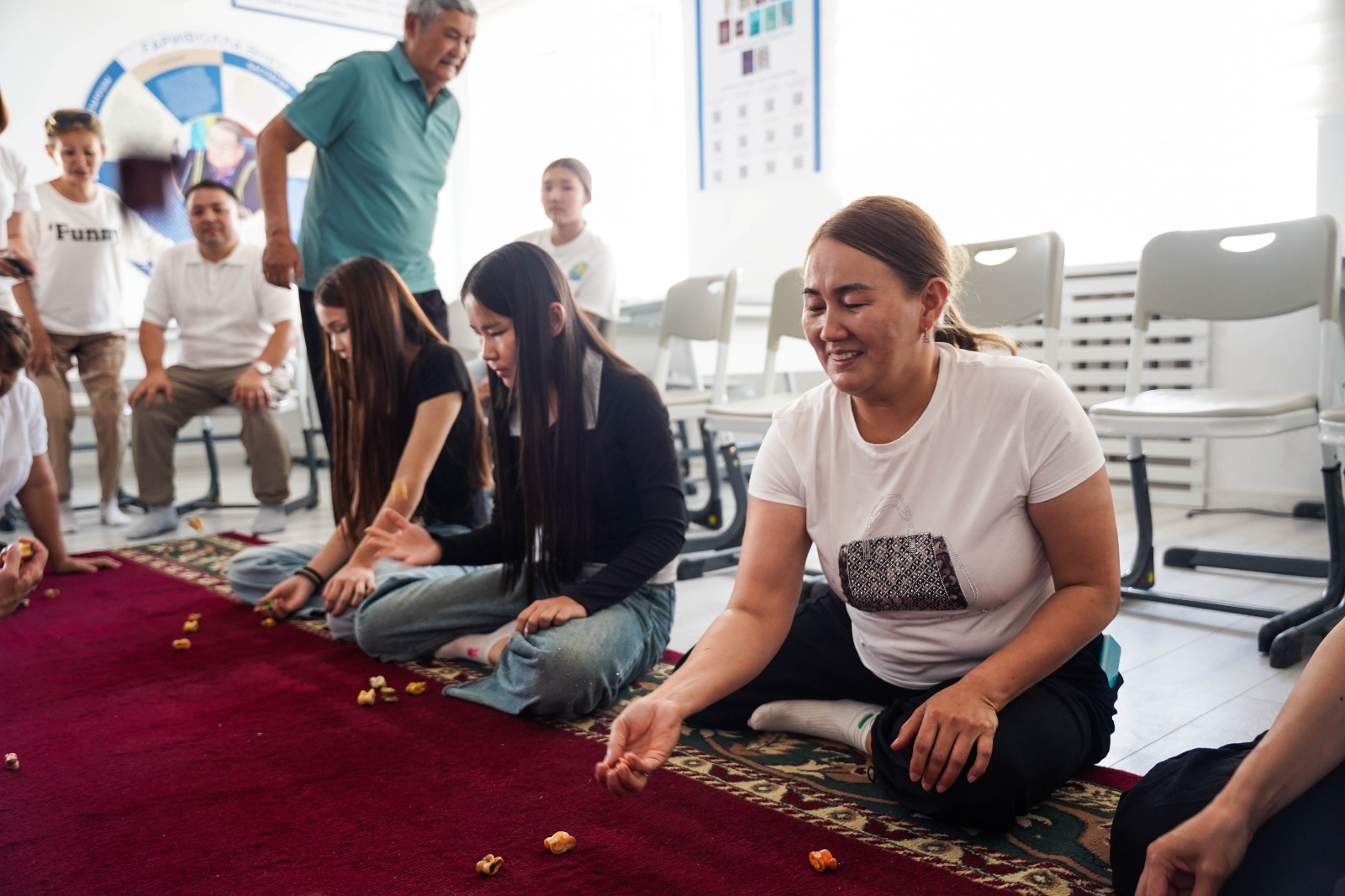
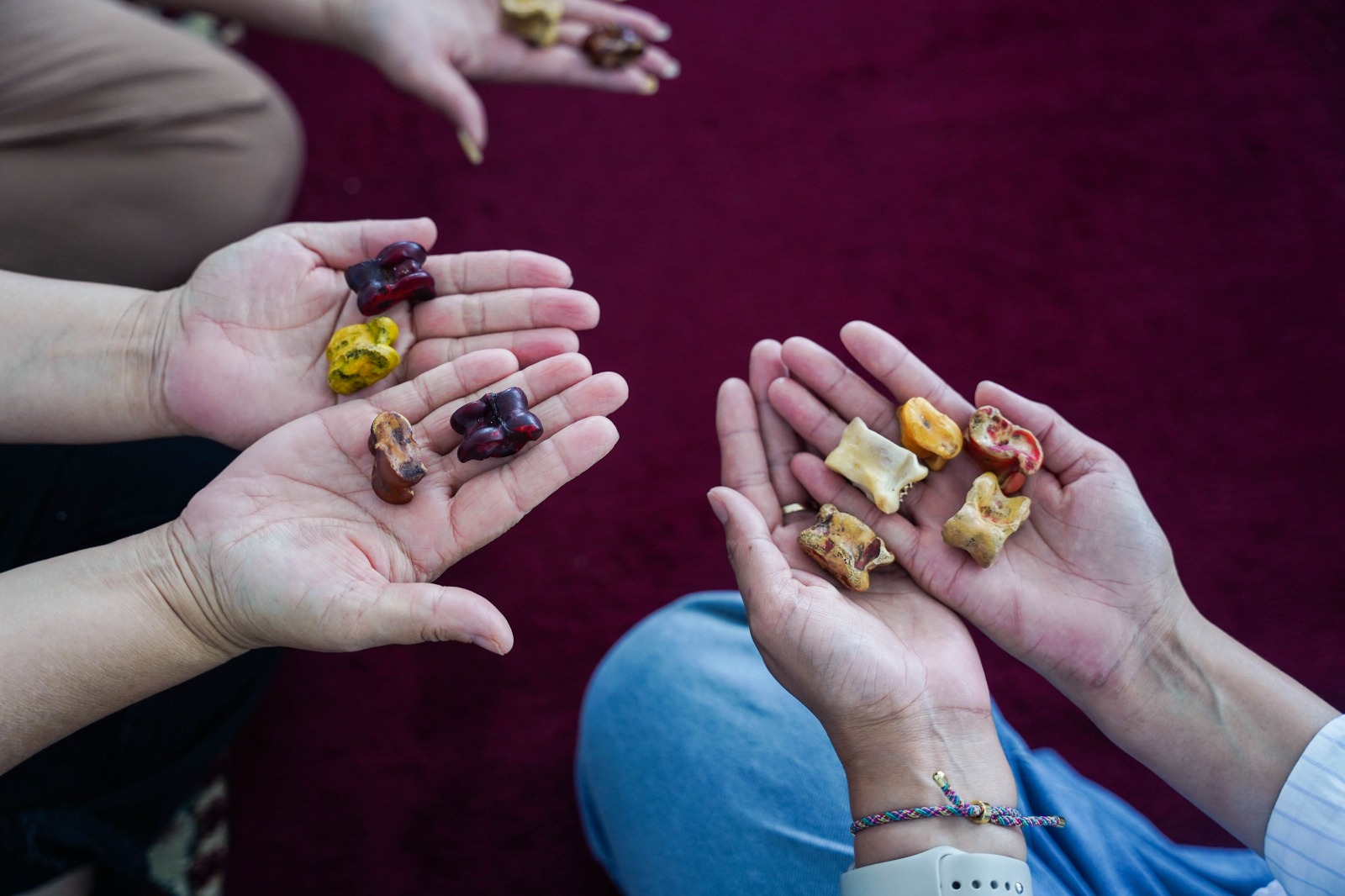
Special interest was shown in topics such as ethnographic essays, previously unpublished examples of oral folklore, the legacy of poets and storytellers, customs and rituals, traditional healing practices, and the study and promotion of national games that are gradually fading from public memory. Participants actively shared their ideas and recommendations on promoting national values, raising awareness of regional history, and making broader use of the heritage of prominent historical figures within the educational process.
The course became an important educational platform for implementing UNESCO’s initiatives on safeguarding intangible cultural heritage at the regional level, promoting national cultural heritage, strengthening teachers’ ethnocultural competencies, and fostering historical awareness among younger generations.
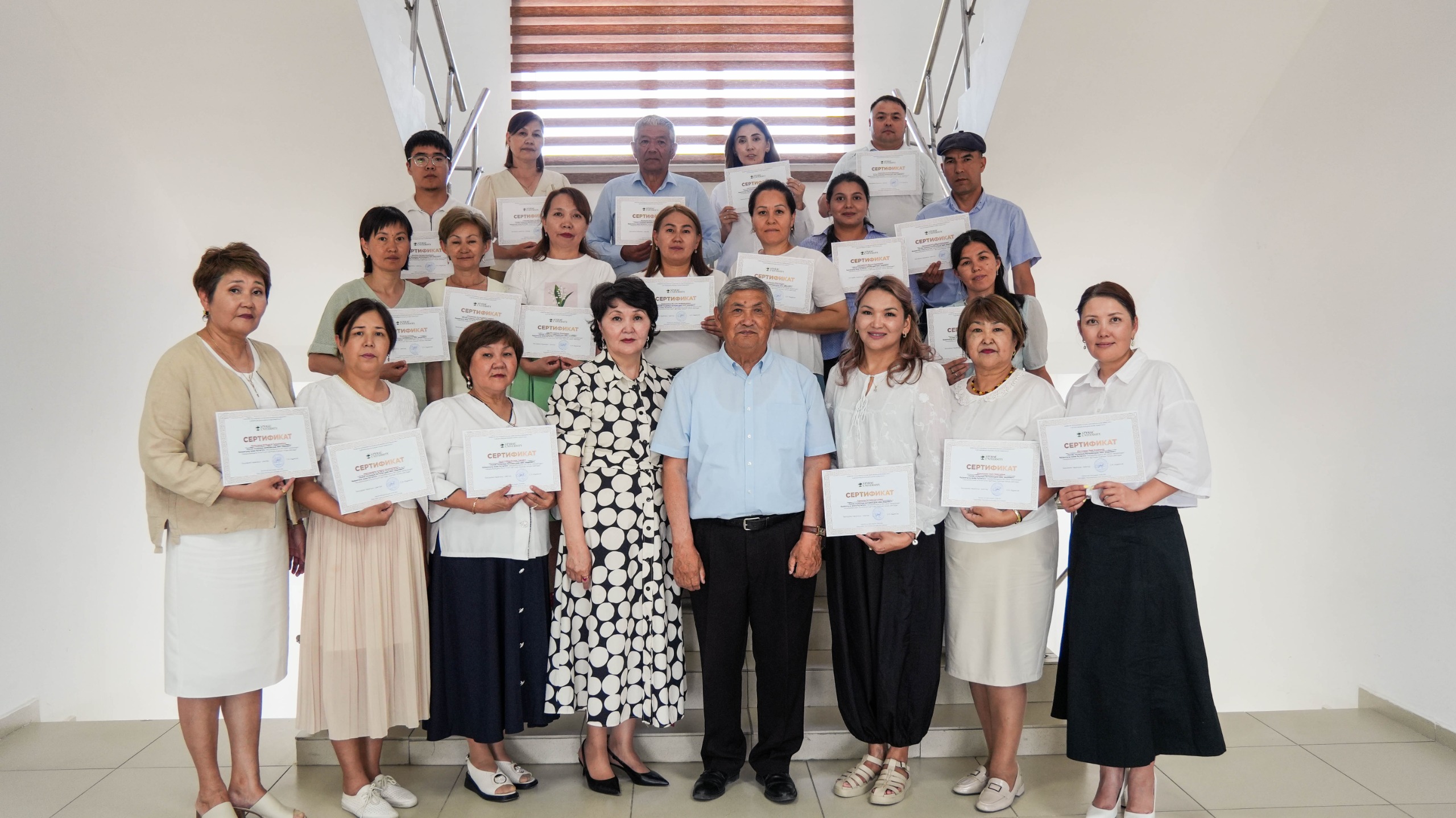
Certificates were awarded to participants who successfully completed the program and fulfilled all final assessment requirements. During the certificate presentation ceremony, participants emphasized the value of the knowledge and experience gained throughout the course for their professional practice and expressed their gratitude to the organizers and the course author, Professor Shakhman N. Nagimov.
Such initiatives aimed at preserving and promoting national heritage will continue in the future, contributing to the professional and spiritual development of specialists in the field of education.